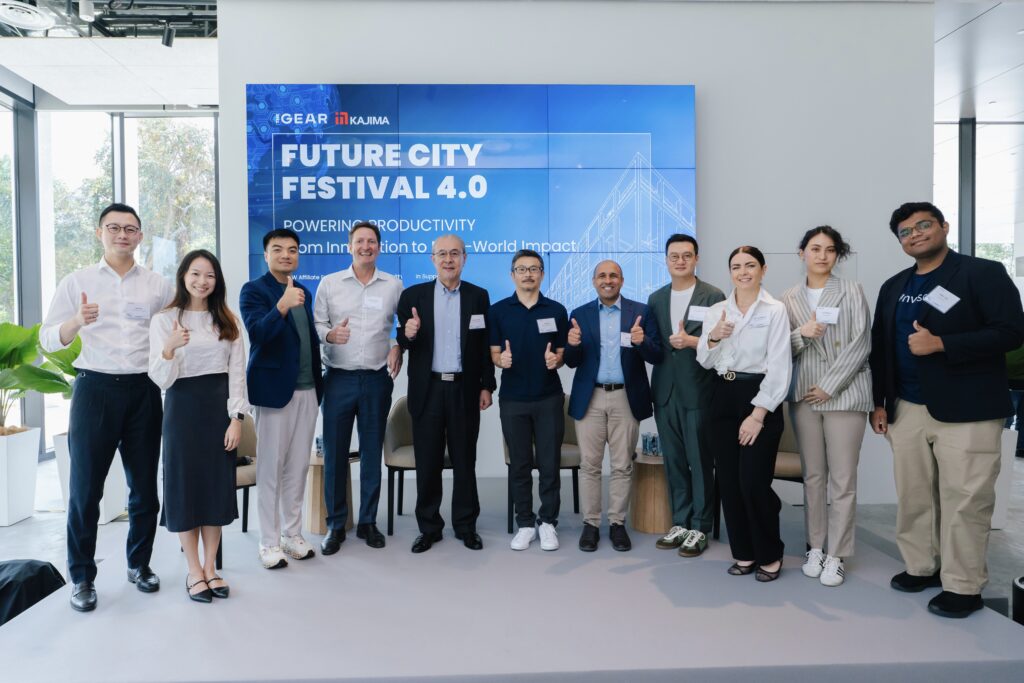
The fourth edition of The GEAR’s flagship event was supported by the Building and Construction Authority (BCA) and held as an affiliate event of International Built Environment Week (IBEW). This year, under the theme Powering Productivity | From Innovation to Real-World Impact, the festival brought together government agencies, industry leaders, researchers, startups and investors to examine how AI, automation and other emerging technologies can move beyond pilots to deliver measurable impact across the built environment.
SINGAPORE, 3 September, 2026 – The GEAR Future City Festival (FCF) 4.0 convened approximately 400 attendees from public and private sector organisations across the global built environment ecosystem, to examine how emerging technologies can be translated into practical solutions that deliver measurable productivity gains.
Held at The GEAR building, with support from the Building and Construction Authority (BCA) and as an affiliate event of International Built Environment Week (IBEW), this year’s festival was themed Powering Productivity | From Innovation to Real-World Impact. Discussions examined how AI, automation, robotics and other frontier technologies are moving beyond pilot projects towards practical, on-site deployment.
The fourth edition focused on one of the industry’s most pressing challenges, not simply inventing new technologies, but creating the conditions for them to succeed in practice. With a supportive and connected built environment ecosystem, Singapore offers a unique setting where government agencies, industry partners, researchers and technology providers can work together to test solutions under real-world conditions and address the practical barriers to adoption.
From building stakeholder confidence and adapting existing workflows to aligning regulations and business models with new ways of working, the festival explored what are the pathways to accelerating the translation of promising innovations into scalable industry impact.
From Pilot to Practice: Advancing Construction Robotics
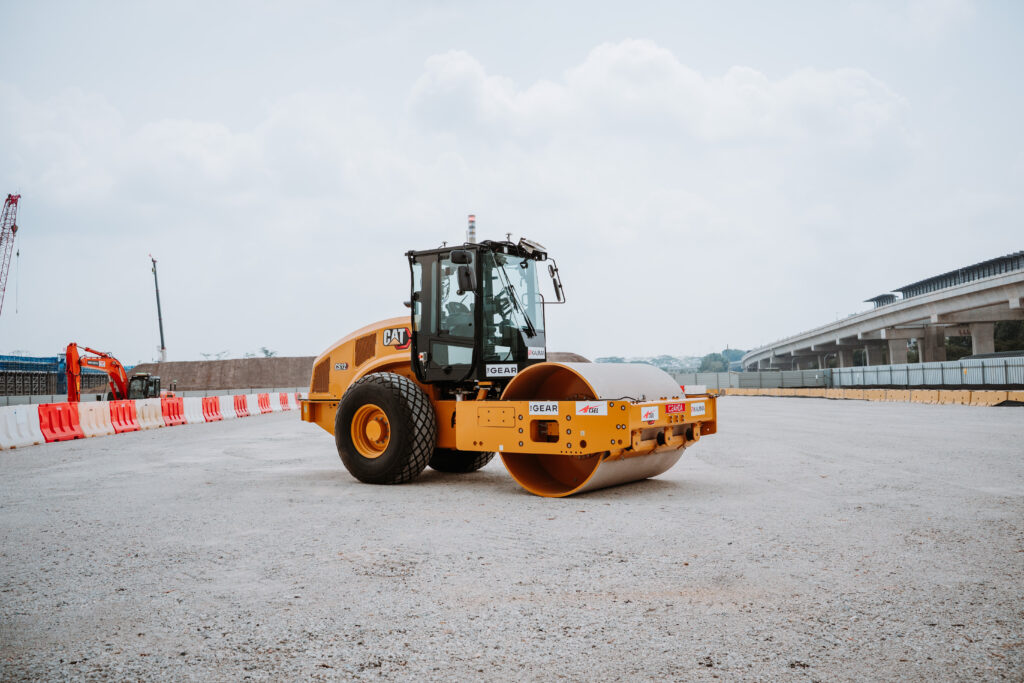
Opening the programme, Luke Wu, Managing Director of The GEAR by Kajima Pte Ltd (The GEAR), reflected on why the built environment’s innovation challenge increasingly lies not in invention, but in translation. Drawing on The GEAR’s work with partners to advance the deployment of autonomous heavy construction equipment in Singapore, he highlighted the practical considerations that determine whether a technology can move from a successful demonstration into everyday operations, from adapting equipment to local site conditions and training operators to integrating autonomous systems into existing workflows.
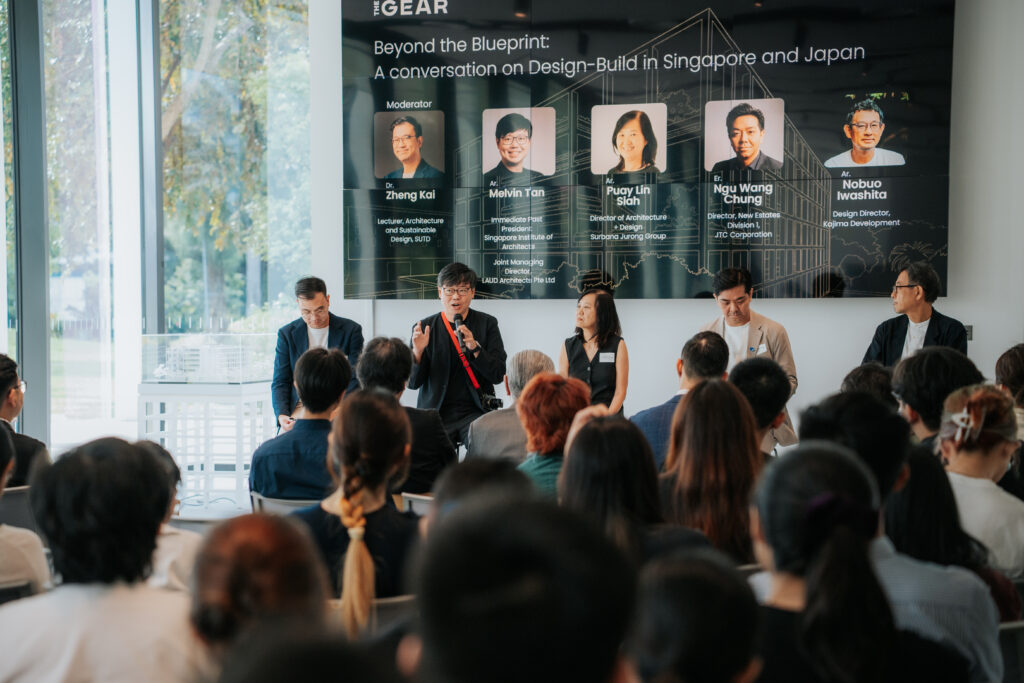
This set the stage for the panel discussion, From Pilot to Practice | Who Needs to Move for the Next Wave of Construction Robotics?, featuring Jiawen Cheong, Director of the Future of Building & Infrastructure Division at JTC Corporation, and Jonathan Cheng, Chief Technology Officer at BCA, moderated by Luke.
The panel examined where deployments tend to stall, what testbeds and live projects must demonstrate to build stakeholder confidence, and how the public sector, industry and technology providers can each help close the gap between pilot and practice. The discussion also considered how the industry can manage the risks of adopting new technologies without waiting for every uncertainty to be eliminated, and who needs to take the first step in creating an environment ready to support robotics at scale.
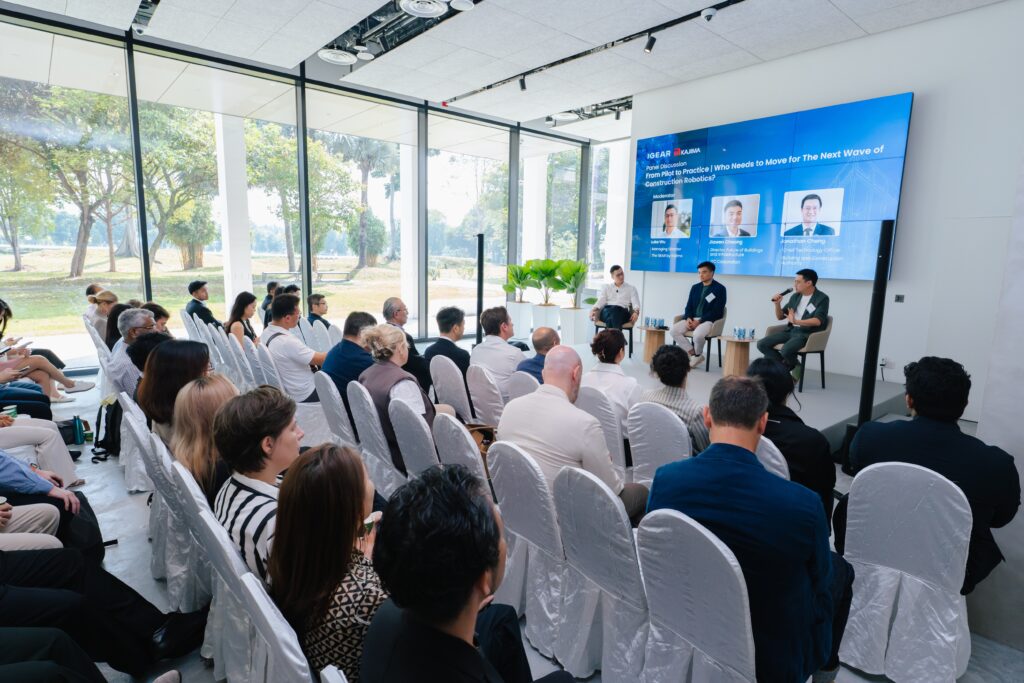
“The technology itself is only one part of the equation. Moving from pilot to practice requires the wider ecosystem to come together to adapt solutions to local conditions, integrating them into existing workflows and building confidence among those who will use it. At The GEAR, we believe this is essential to eventually turning promising innovation into measurable productivity gains for Singapore’s built environment,” said Luke Wu, Managing Director of The GEAR.
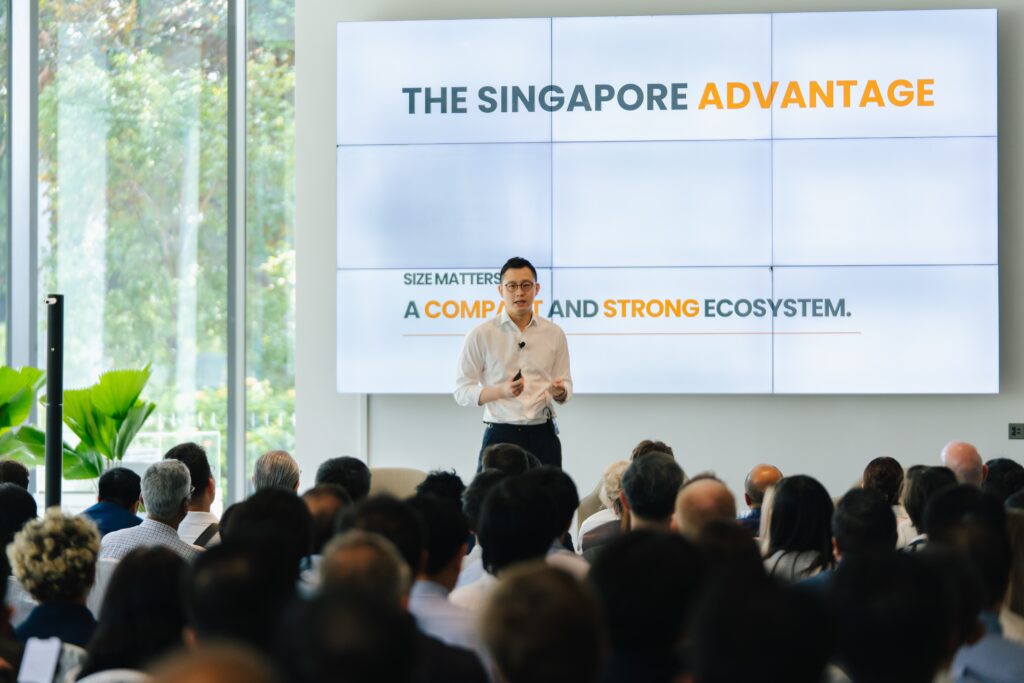
Understanding Construction Productivity Across Markets
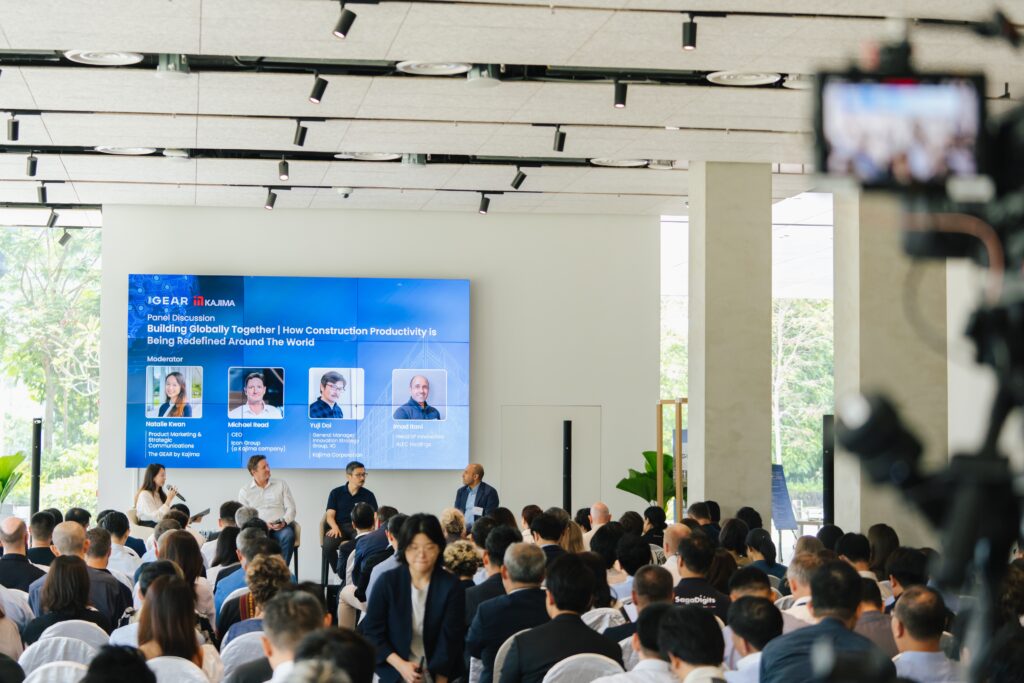
As the construction industry faces common challenges around labour, productivity and project delivery timelines, markets around the world are taking distinct approaches to harnessing technology and innovation to address these challenges.
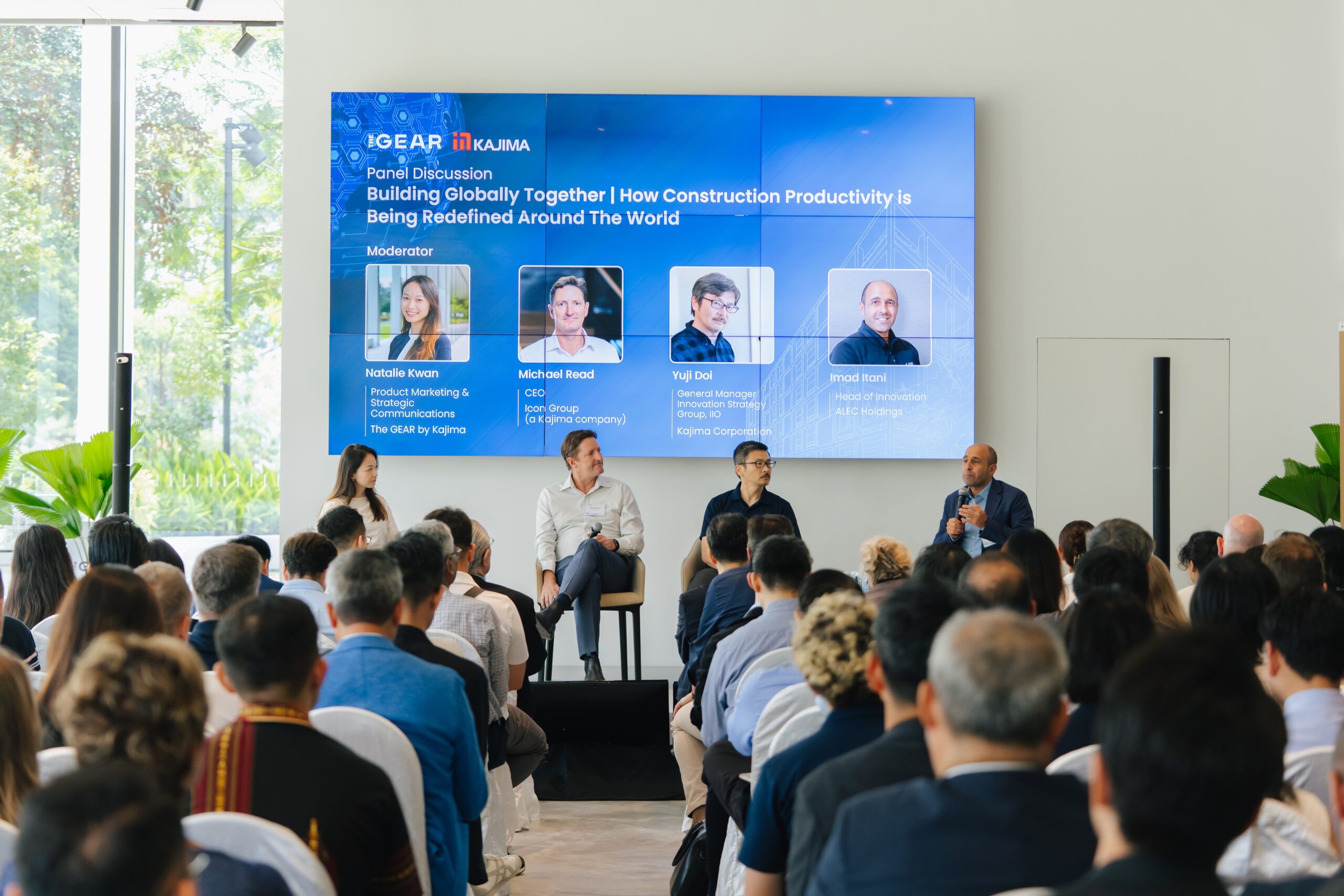
The panel, Building Globally Together | How Construction Productivity is Being Redefined Around the World, brought together perspectives from the UAE, Australia and Japan, featuring Imad Itani, Head of Innovation at ALEC Holdings; Michael Read, CEO of Icon Group (a Kajima company); and Yuji Doi, General Manager of the Innovation Strategy Group, Innovation & Incubation Office at Kajima Corporation.
The panel explored the local constraints and pain points shaping jobsites across different regions, alongside best practices and learnings from trialling innovative technologies on site to exploring new business models that could shape the future of construction productivity. The discussion also surfaced case studies and insights that other markets can learn from as the industry adapts to new ways of delivering projects.
Turning Startup Innovation into Real-World Impact
Innovation took centre stage through The GEAR Startup CoLab Programme, The GEAR’s flagship startup programme that connects startups with Kajima’s businesses and its network of industry partners.
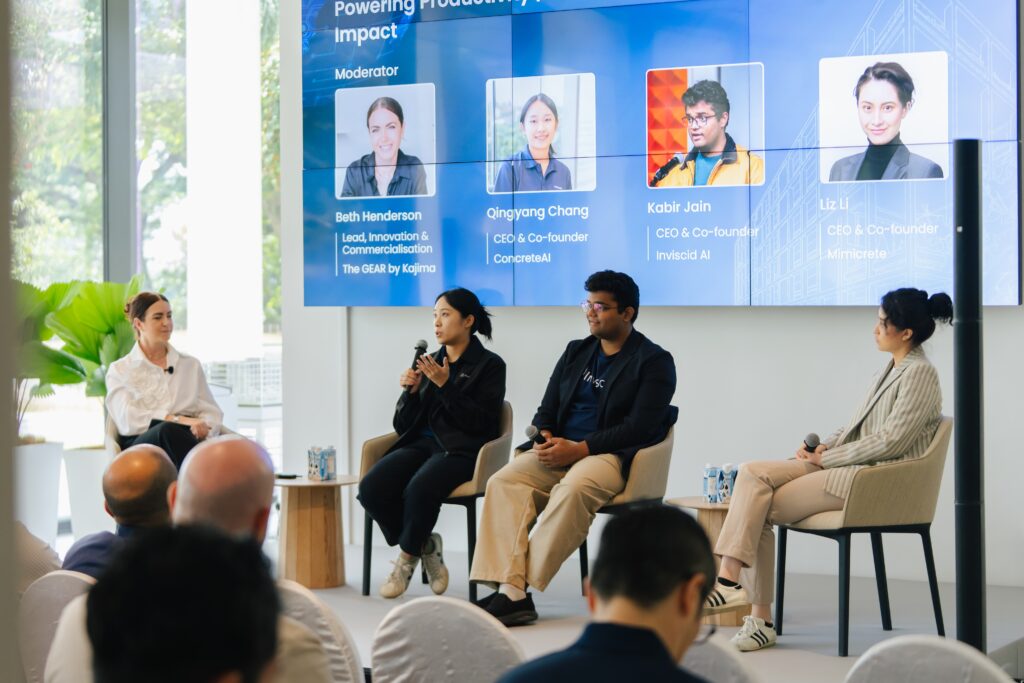
At FCF 4.0, Beth Henderson, Innovation & Commercialisation Lead of The GEAR, shared updates on the programme’s latest proof-of-concept trials and progress in translating emerging technologies into solutions for real-world applications.
This was followed by a panel discussion, Powering Productivity | Startup Collaboration with Real-World Impact, featuring three startups from the Startup CoLab programme: Kabir Jain of Inviscid AI, Liz Li of Mimicrete, and Qingyang Chang of ConcreteAI. The founders shared how their respective technologies are addressing challenges across the built environment and their engagement with The GEAR to accelerate validation, from AI-powered simulation and smarter decision-making to innovative concrete technologies and construction monitoring.
The conversation highlighted the importance of collaboration between startups and industry in moving beyond technology validation and towards measurable outcomes on real projects.
“Future City Festival gives startups like ours meaningful exposure to industry decision-makers, with The GEAR by Kajima’s involvement providing the credibility that helps turn initial conversations into genuine opportunities.” said Kabir Jain, CEO & Co-founder, Inviscid AI.
Advancing Research for the Built Environment
The festival concluded with a session featuring the latest research and technology developments from Kajima Technical Research Institute Singapore (KaTRIS).
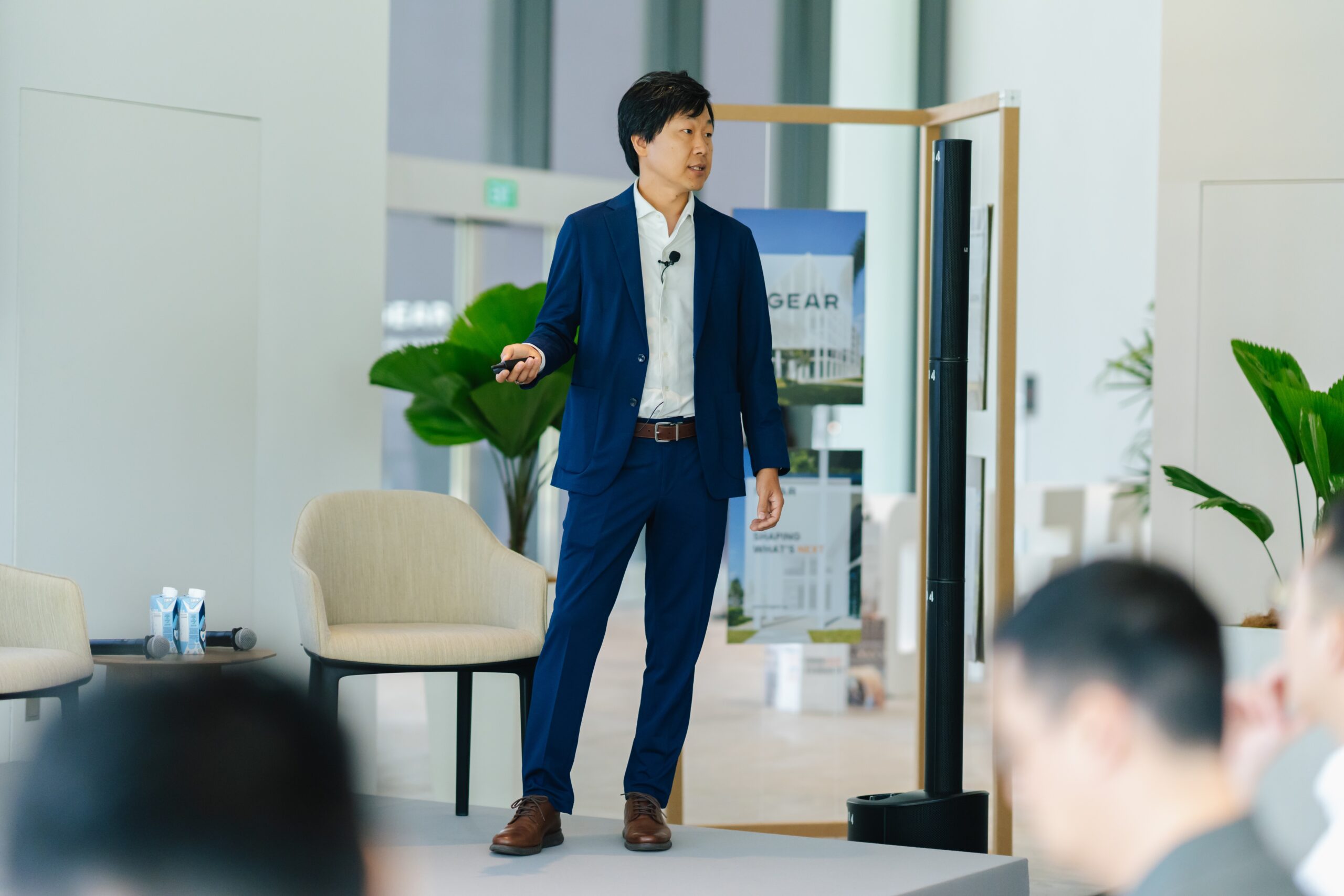
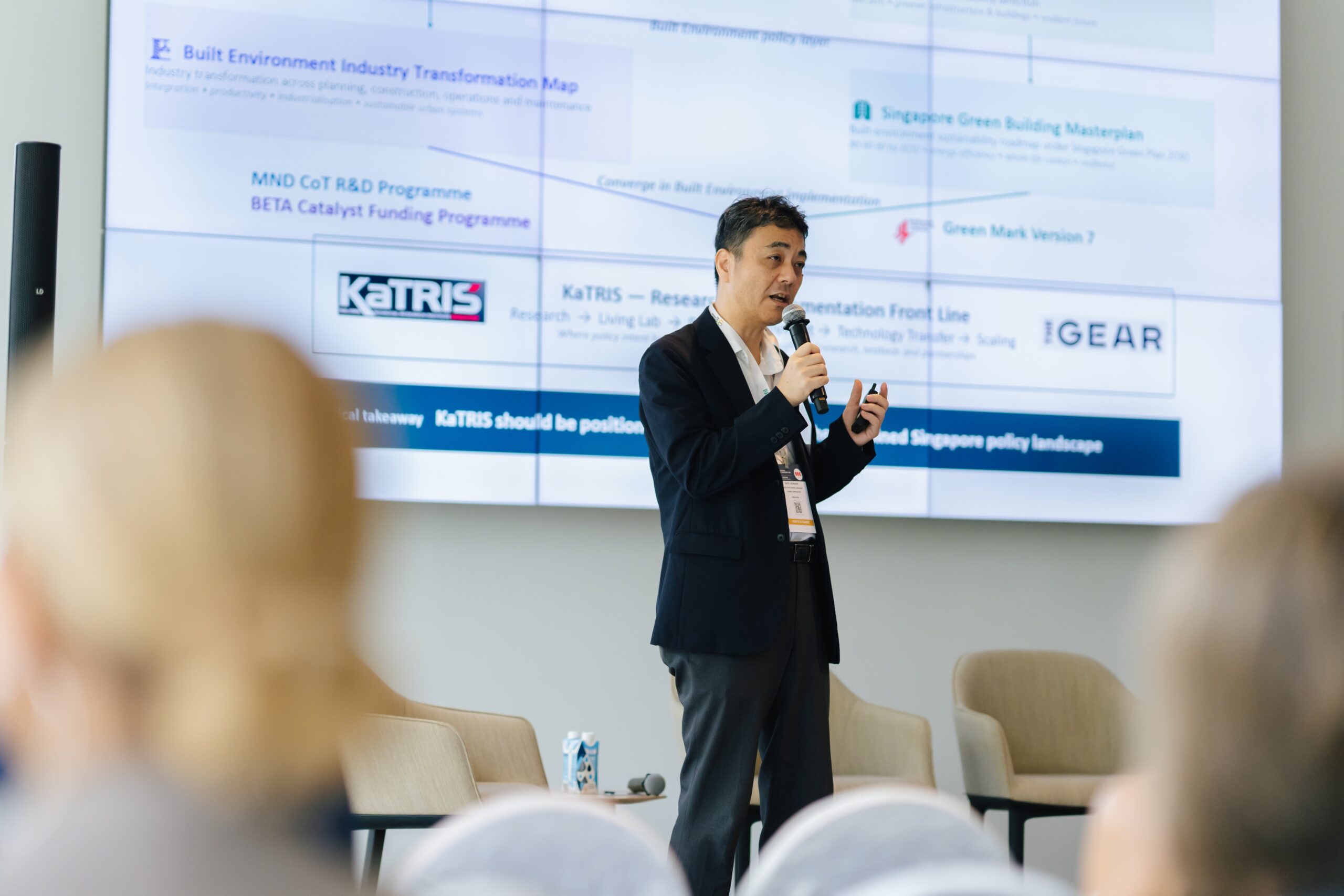
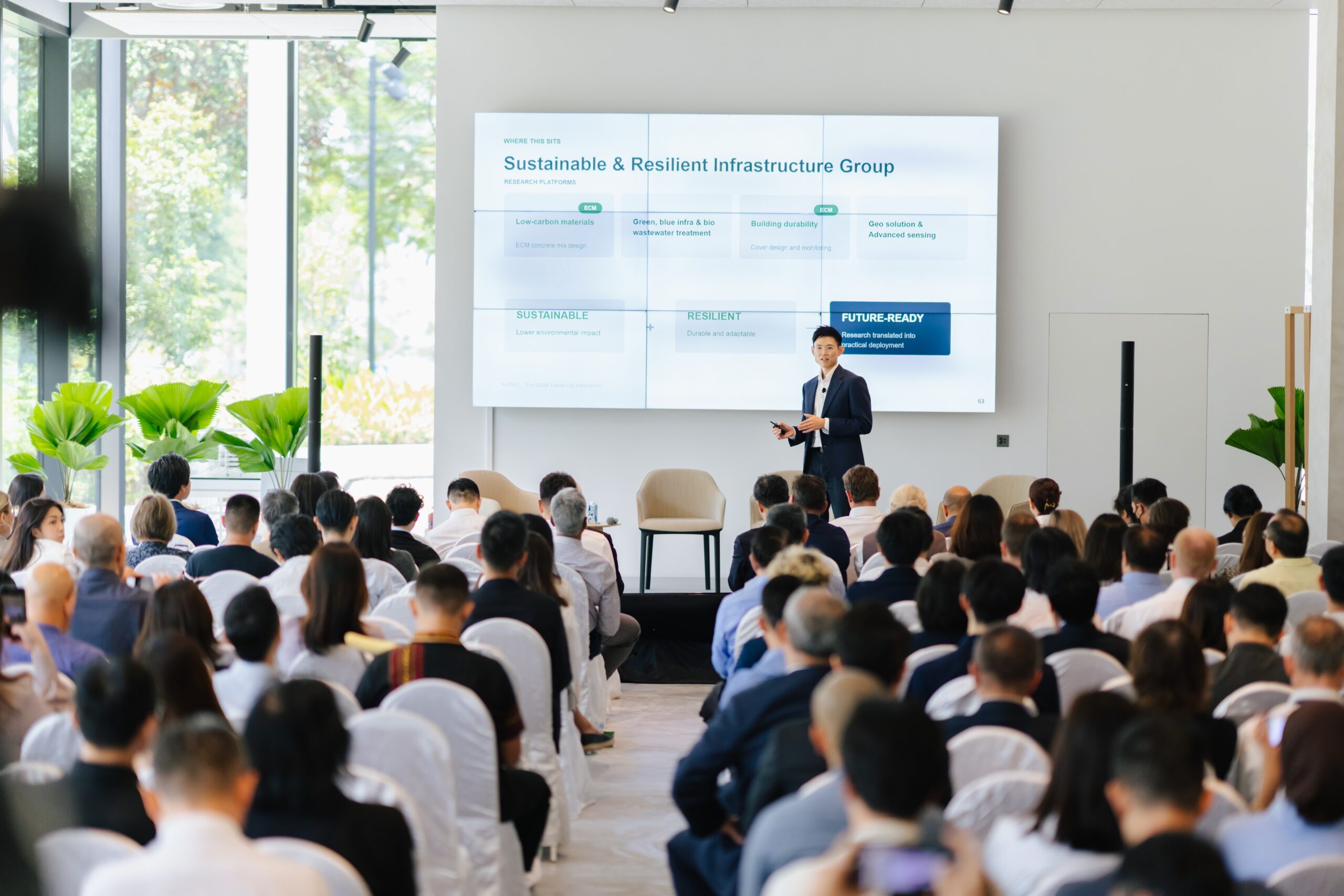
KaTRIS Executive General Manager Kensuke Date, Senior Researcher Dr. Eikichi Ono and Researcher Dr. Li Soon Wan shared insights into KaTRIS’ ongoing research and development efforts to develop practical solutions for the built environment. In his presentation, When People Meet a Diverse Workplace, Dr. Ono explored how workplaces can better respond to diverse user needs and experiences, while Dr. Wan shared the journey of advancing innovative low-carbon concrete technology towards practical application in Singapore in his presentation, From Innovation to Application: Advancing ECM Concrete in Singapore.
“KaTRIS is a global R&D hub of the Kajima Group. At KaTRIS, our researchers work across a wide range of fields. Rather than focusing solely on inward-looking, upstream R&D, we work hand in hand with The GEAR by Kajima and collaborate with partners from various institutions and organisations to bring our research outcomes all the way through to real-world implementation. We are committed to applying our expertise and technologies to address a broad range of technical and societal challenges, and to contribute to creating a more sustainable and resilient future that enhances people’s well-being.” said Kensuke Date, Executive General Manager, KaTRIS.
A Platform Showing Innovation in Action
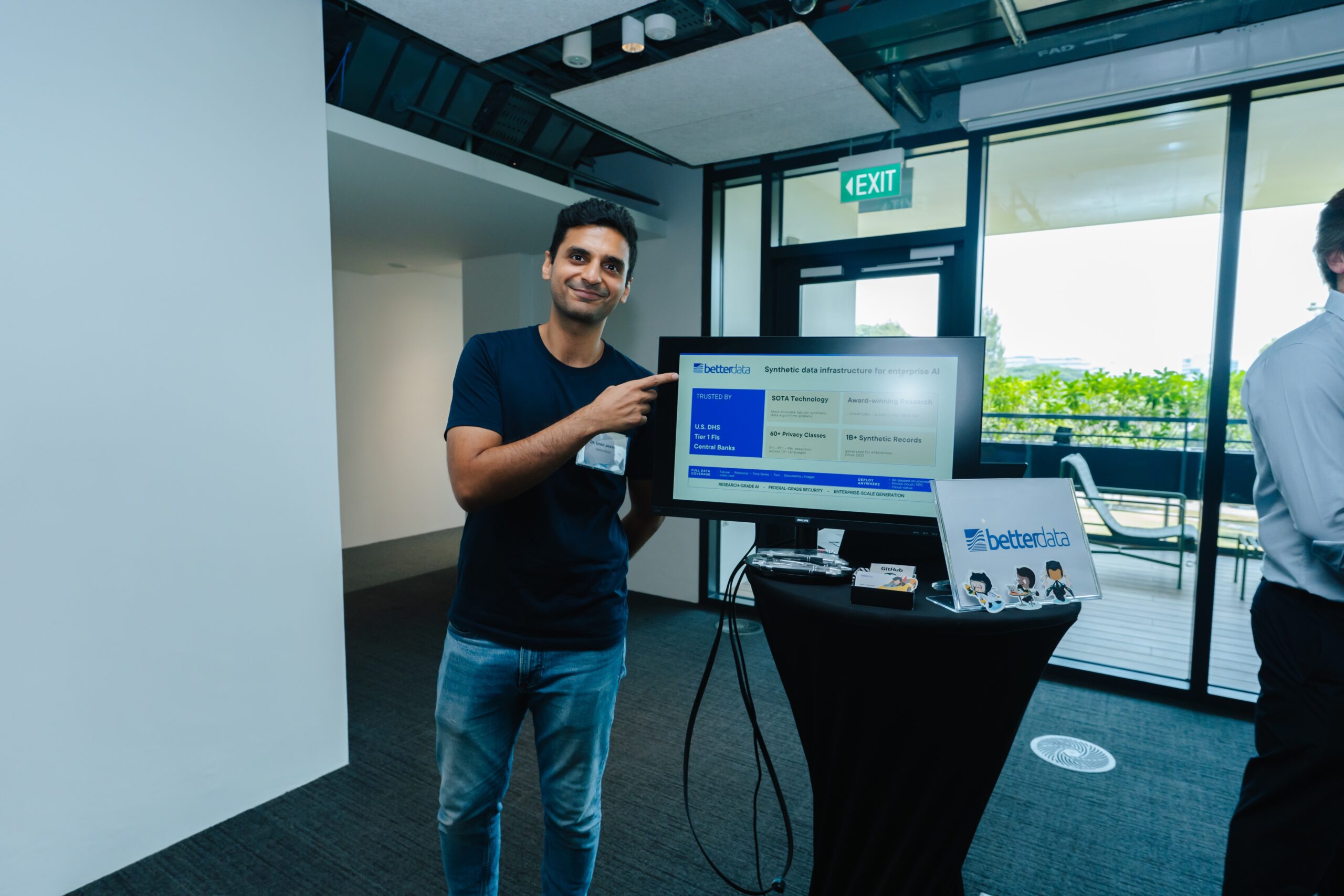
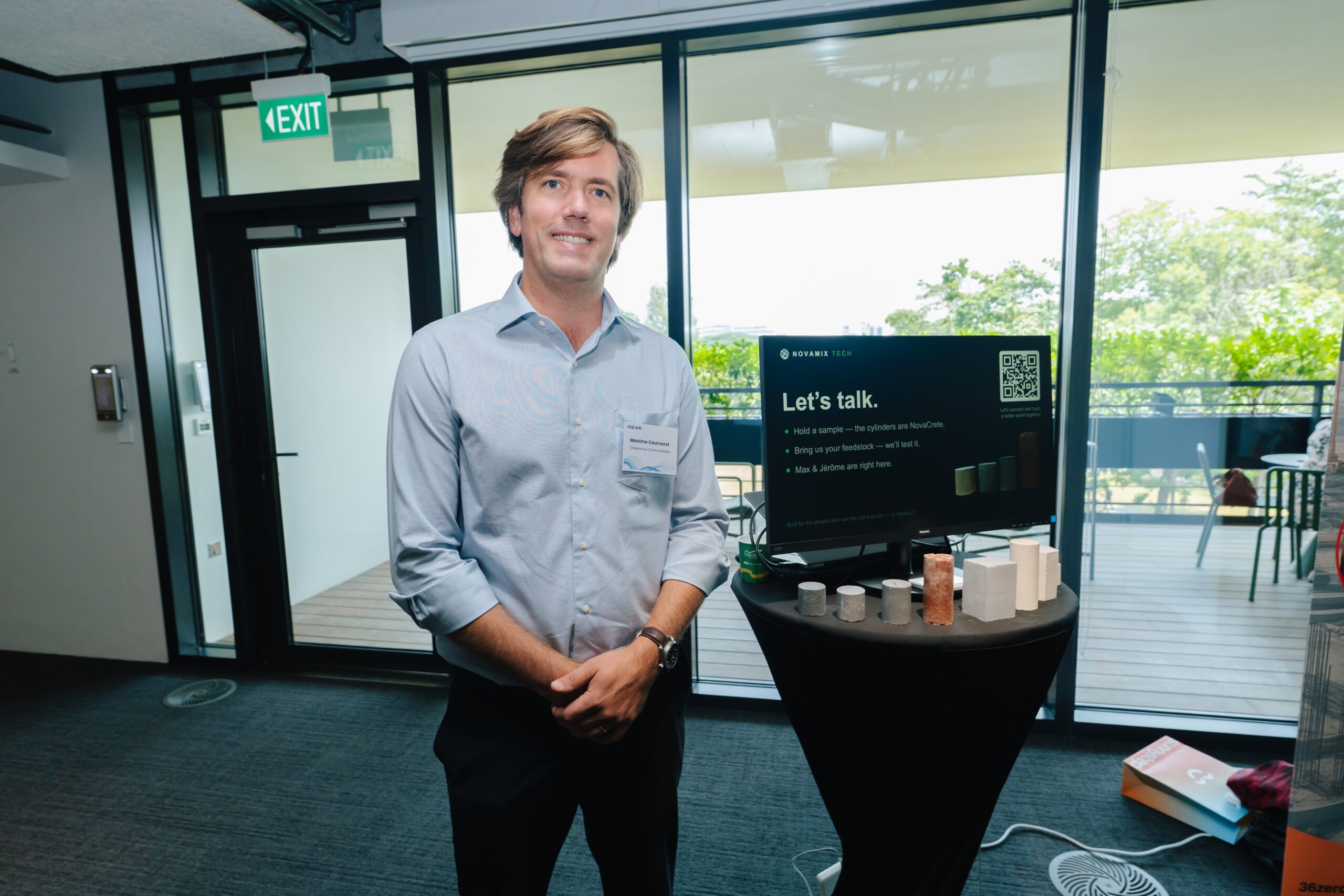
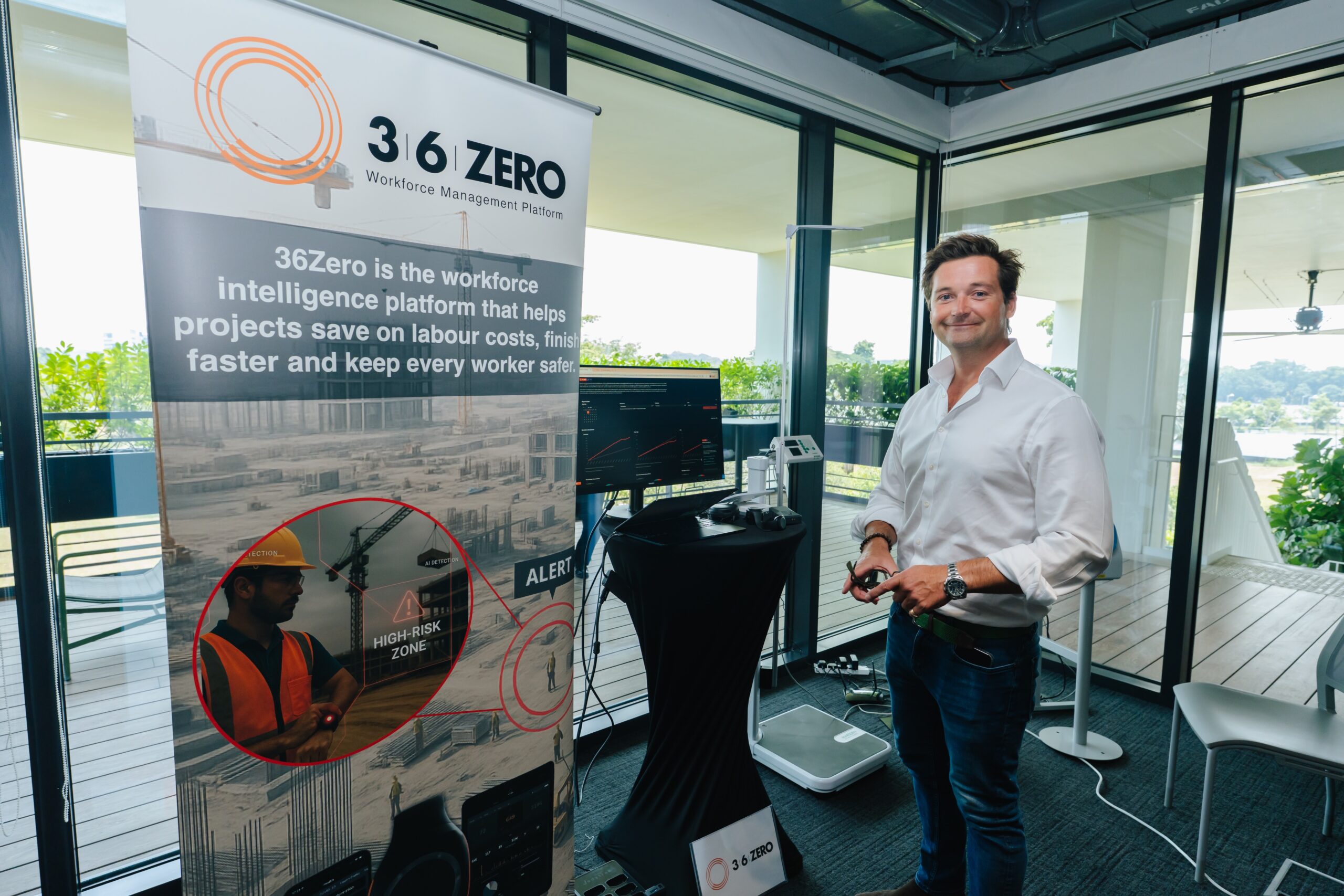
The festival concluded with a startup showcase featuring 15 startups and technologies from around the world. The showcase highlighted innovations ranging from self-healing concrete and autonomous excavators to AI-powered building management software, bio-based materials, and health and safety technologies. Together, these solutions demonstrated the breadth of innovation being developed to address challenges across the built environment globally.
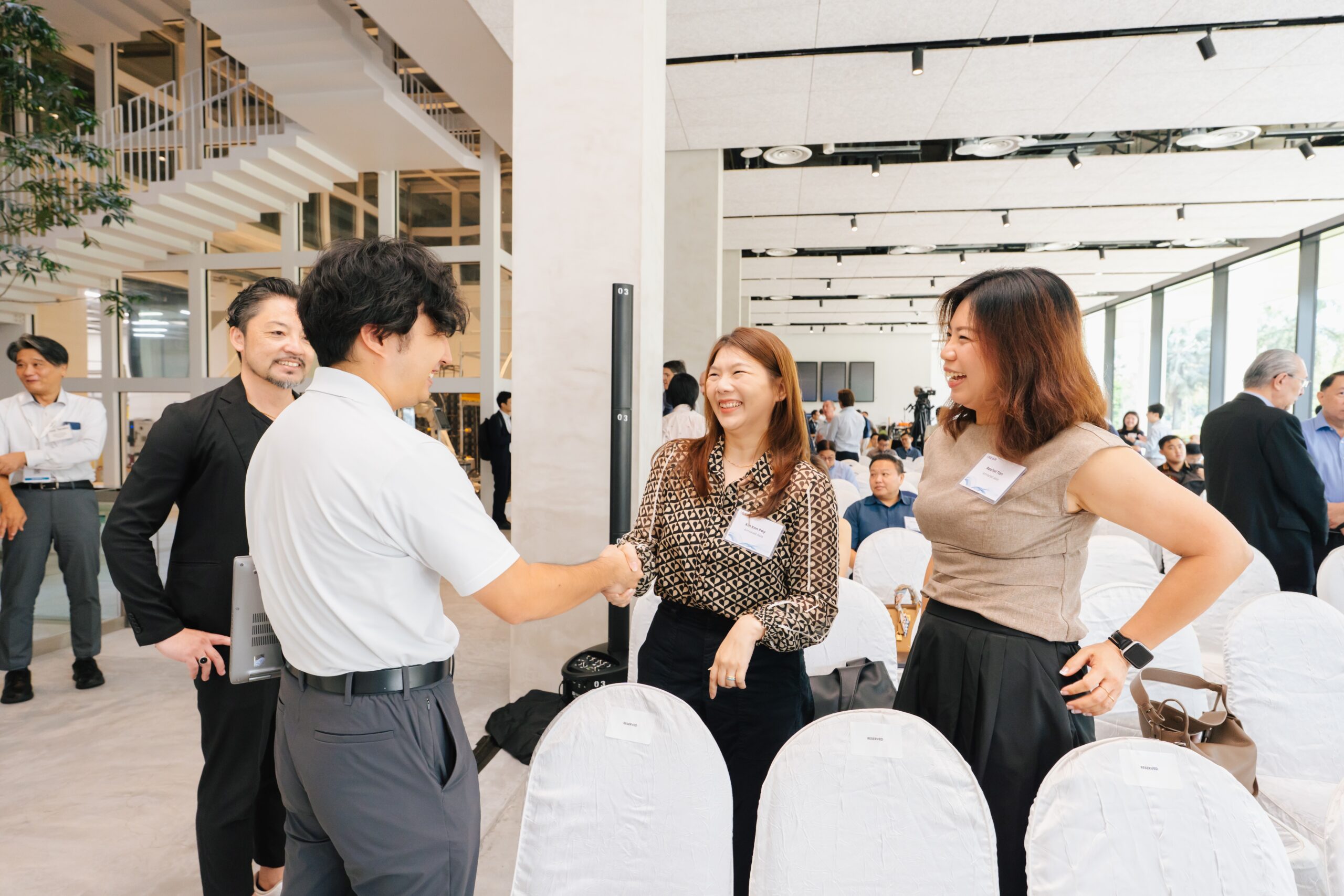
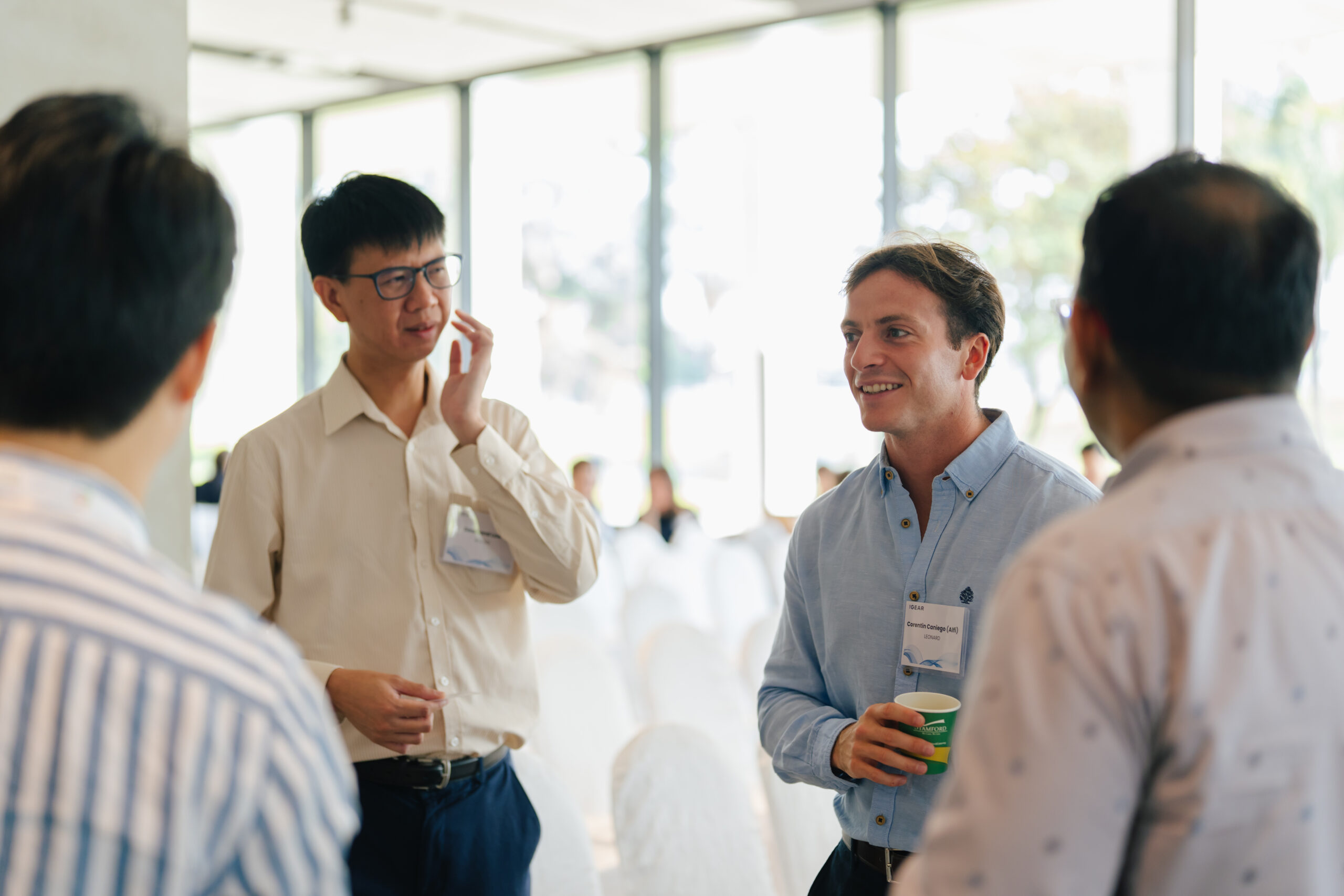
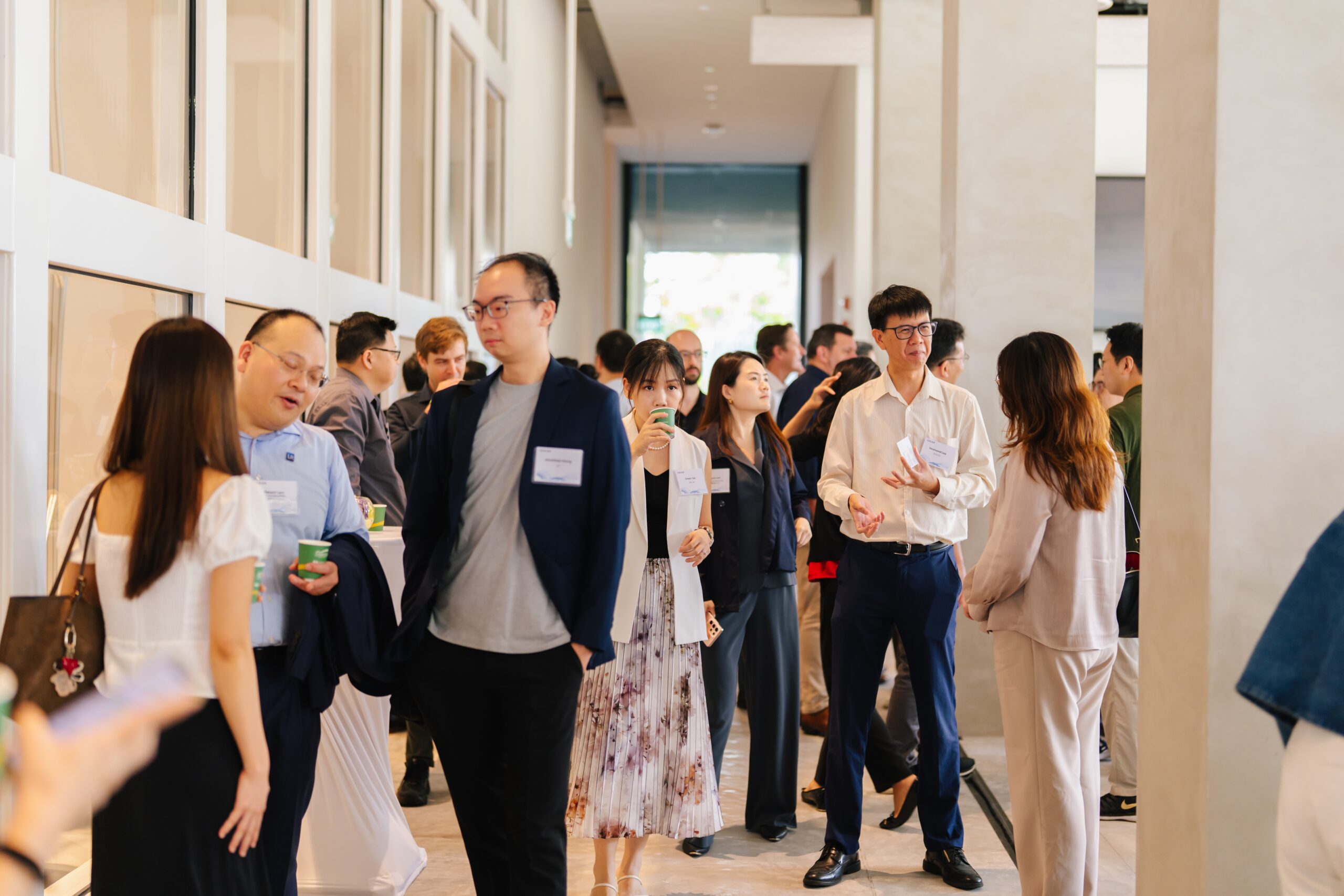
The startup showcase provided a platform for startups and industry players to connect, exchange ideas and identify potential solutions to real-world challenges across the built environment.
Powering Productivity Through Collaboration
As the built environment moves into a new phase of technology adoption, the challenge is no longer simply identifying what is possible and trialling solutions but creating the conditions for innovation to deliver impact on real sites.
FCF 4.0 brought together stakeholders across the built environment ecosystem to explore precisely this challenge and, through discussions and the sharing of potential solutions, examine how innovation can move from pilot to practice. By connecting public sector perspectives, global industry experiences and case studies, startup innovations and applied research, FCF served its purpose as an annual platform for bringing together the wider ecosystem. Through exploration, experimentation, and co-creation, The GEAR continues to help connect emerging ideas with the people, projects and environments needed to turn them into reality.
[About The GEAR by Kajima]
The GEAR by Kajima Pte Ltd, established in 2024, is Kajima’s innovation and technology translation platform in Singapore and a subsidiary of Kajima Corporation, one of Japan’s largest and oldest construction, engineering, and real estate companies headquartered in Tokyo.
The GEAR bridges the gap between technology development and real-world commercial use as the strategic lynchpin between Japan, Singapore, and the group’s global business units. It translates emerging technologies into scalable solutions by connecting internal capabilities with external partners. This work spans both startups and internal Kajima technologies, across Kajima sites and externally commissioned public and private projects. Through this model, technologies are validated under live operating conditions, which support informed decisions on deeper use, adoption, and commercialisation.
[About The GEAR Startup CoLab Programme]
The GEAR Startup CoLab Programme is an open collaboration programme that connects Kajima with forward-thinking startups to fast-track the development and commercialisation of breakthrough solutions. By providing access to world-class facilities, mentorship, funding, and a live testbed environment, it enables startups to validate their products, address real industry challenges, and co-create solutions that shape the future of the built environment.
End of the press release.
For media enquiries, please contact Natalie Kwan at natalie.kwan@kajima.com.sg.