The GEAR Launches FutureSCAPE to Reframe Architecture Through Dialogue and Design

SINGAPORE, July 24, 2026 – The GEAR by Kajima (“The GEAR”) hosted the inaugural FutureSCAPE Framing, bringing together architects and built environment leaders from Singapore and Japan, public sector representatives, educators and students.  

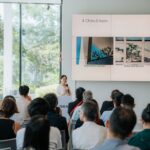
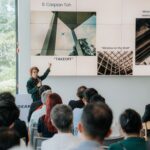
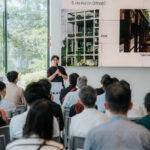
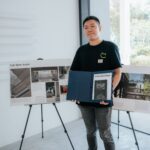
Centred on the theme “Reframing Architecture Through Dialogue and Design”, the event explored architecture not only as what is built, but also through how spaces are designed, delivered, experienced and reinterpreted by the people who use them. The half-day programme featured presentations by Kajima Design, a cross-border panel on Design-Build, student architectural models, a startup founder sharing and the finals of The GEAR Photography Contest. 

Architecture through different perspectives

FutureSCAPE was conceived around the idea that the story of a building is never fixed. It changes according to how the space is used and what each person notices. This idea is reflected in The GEAR building itself. Completed in 2023, the building was designed to support three distinct identities: Kajima’s first overseas regional headquarters, first overseas research and development facility, and first global innovation hub.  

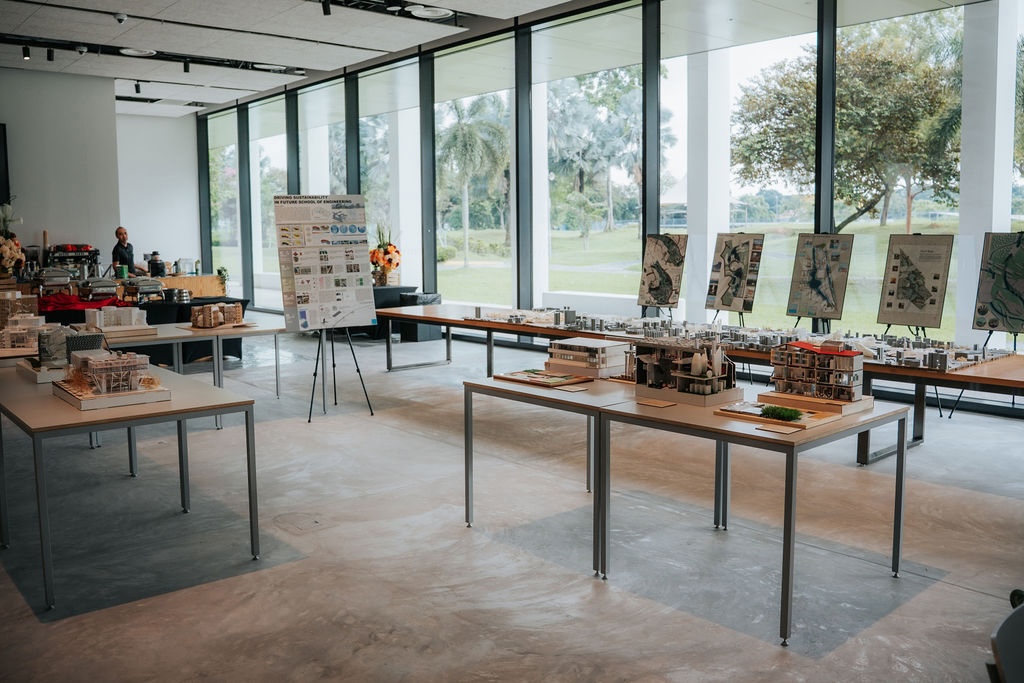
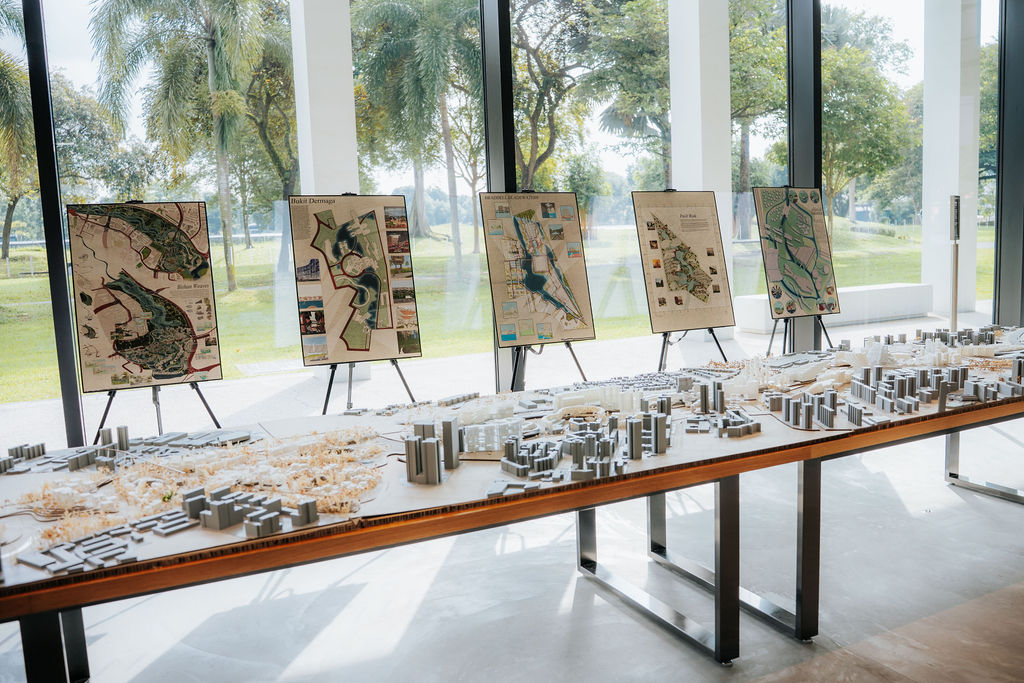
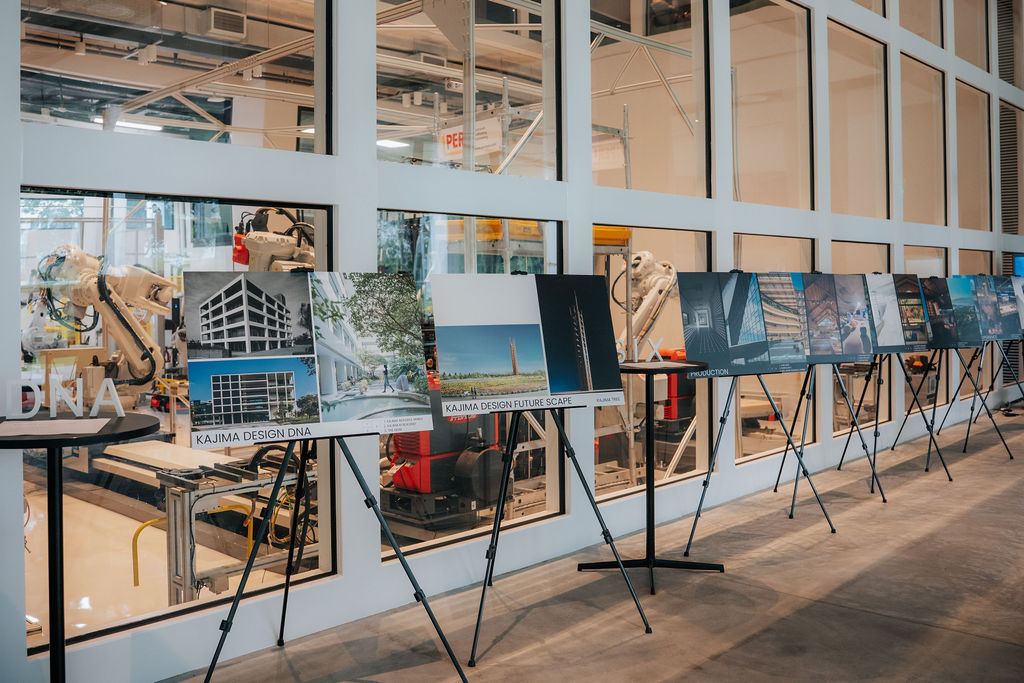
Attendees were invited to examine architecture from several perspectives throughout the event. An exhibition of Kajima Design’s signature projects presented selected architectural works from the past decade, illustrating Kajima’s approach to integrating engineering, aesthetics, and human experience. Architectural, landscape and interior design models by students from the Singapore University of Technology and Design (“SUTD”) and Singapore Polytechnic were also exhibited. The works reflected the ideas and aspirations of the next generation of designers 

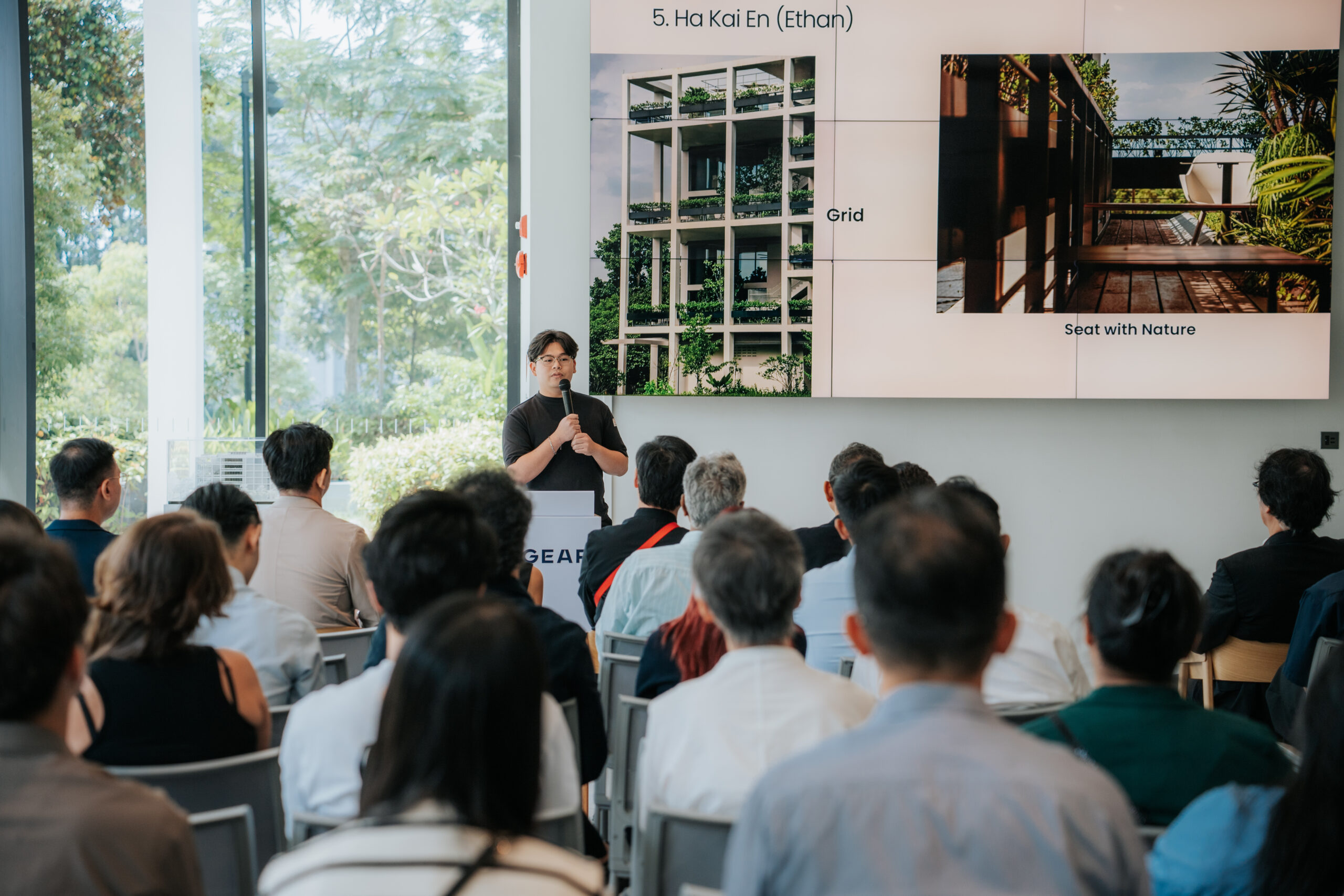
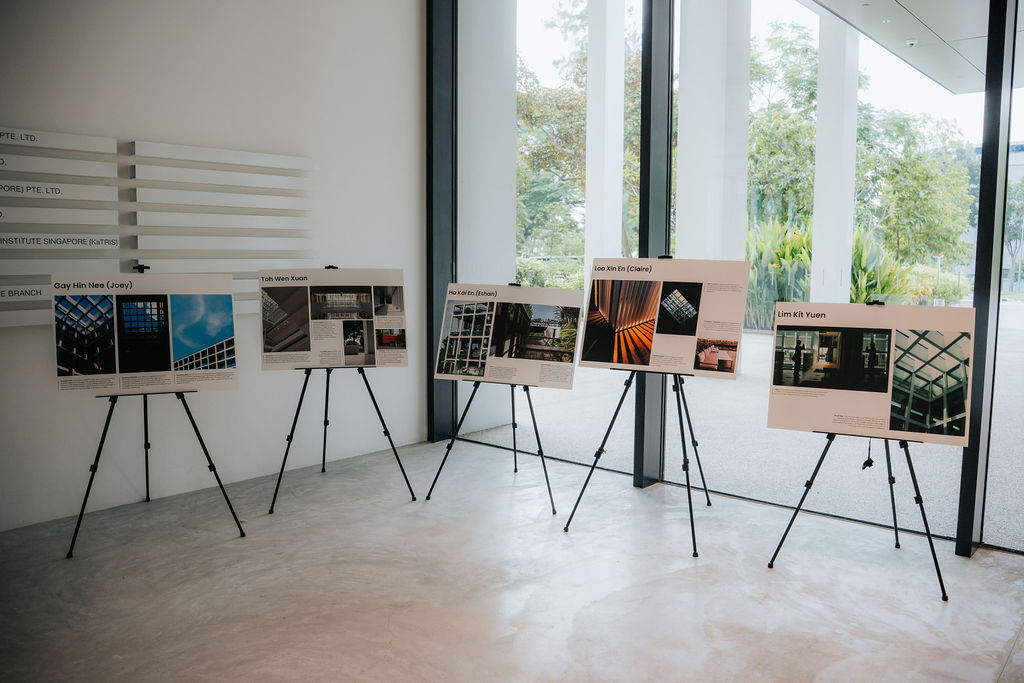
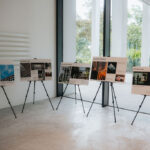
The exhibition was complemented by The GEAR Photography Contest, through which students interpreted The GEAR building using their own perspectives. Their photographs drew attention to the building’s light, geometry, materials, landscape and patterns of human activity, revealing details that may be overlooked by those who use the building every day. 

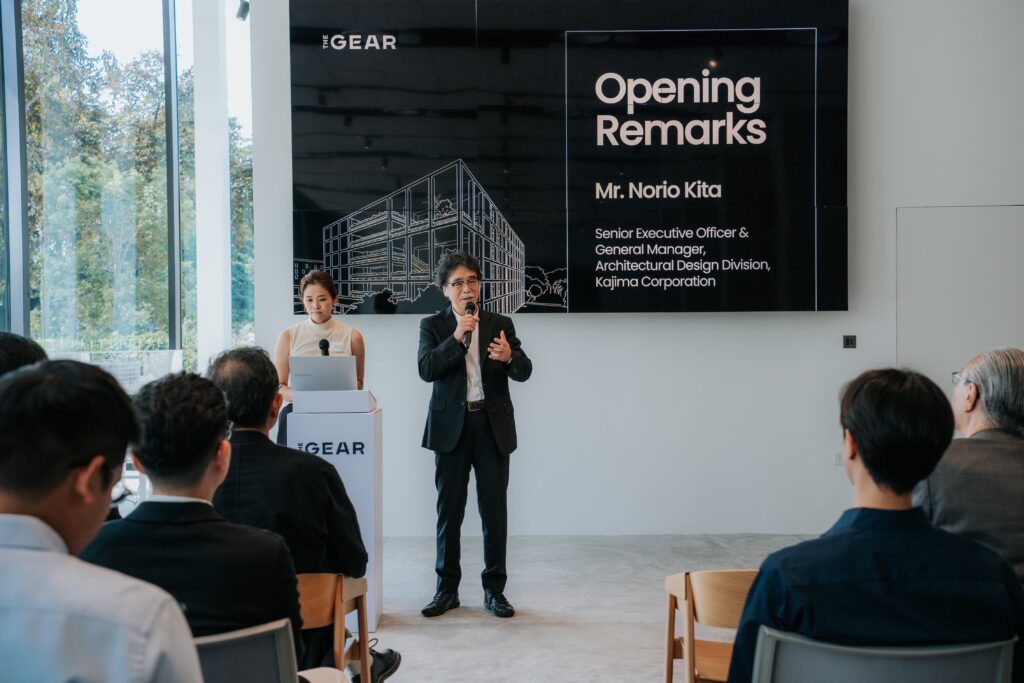
The GEARは、完成された建築として終わるのではなく、人々に使われ、新たな視点が加わることで、これからも進化し続ける場として構想されました。今回、学生の皆さんがそれぞれの感性でThe GEARを捉え、新たな解釈を与えてくださったことを通じて、建築とは常に対話を生み出す存在であることを改めて実感しました。創造性あふれる作品や率直な視点からは多くの気づきを得ることができ、私たちもまた、学生の皆さんから多くを学ばせていただきました。」(鹿島建設株式会社 建築設計本部長 北典夫) 

“The GEAR was never intended to be a completed story. Like any meaningful piece of architecture, it continues to evolve through the people who use it and the perspectives they bring. Seeing students reinterpret the building through their own eyes reminded us that architecture should always invite dialogue. Their creativity and thoughtful critiques offered valuable insights, and I believe we learned just as much from them as they learned from us.” said Norio Kita, Senior Executive Officer & General Manager, Architectural Design Division, Kajima Corporation. 

Singapore and Japan in dialogue

Architects Nobuo Iwashita (Design Director, Kajima Development) and Shiho Nonaka (Chief Architect, Architectural Design Division, Kajima Corporation) opened the programme with an introduction to Kajima’s architectural design philosophy and selected signature projects.

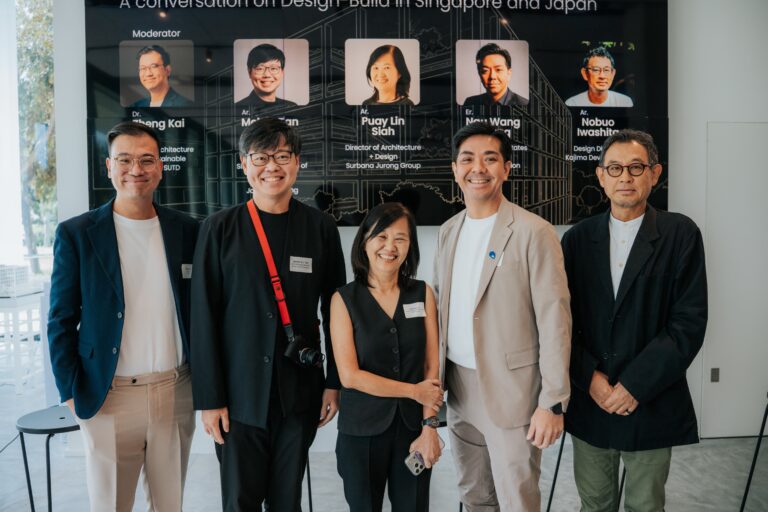
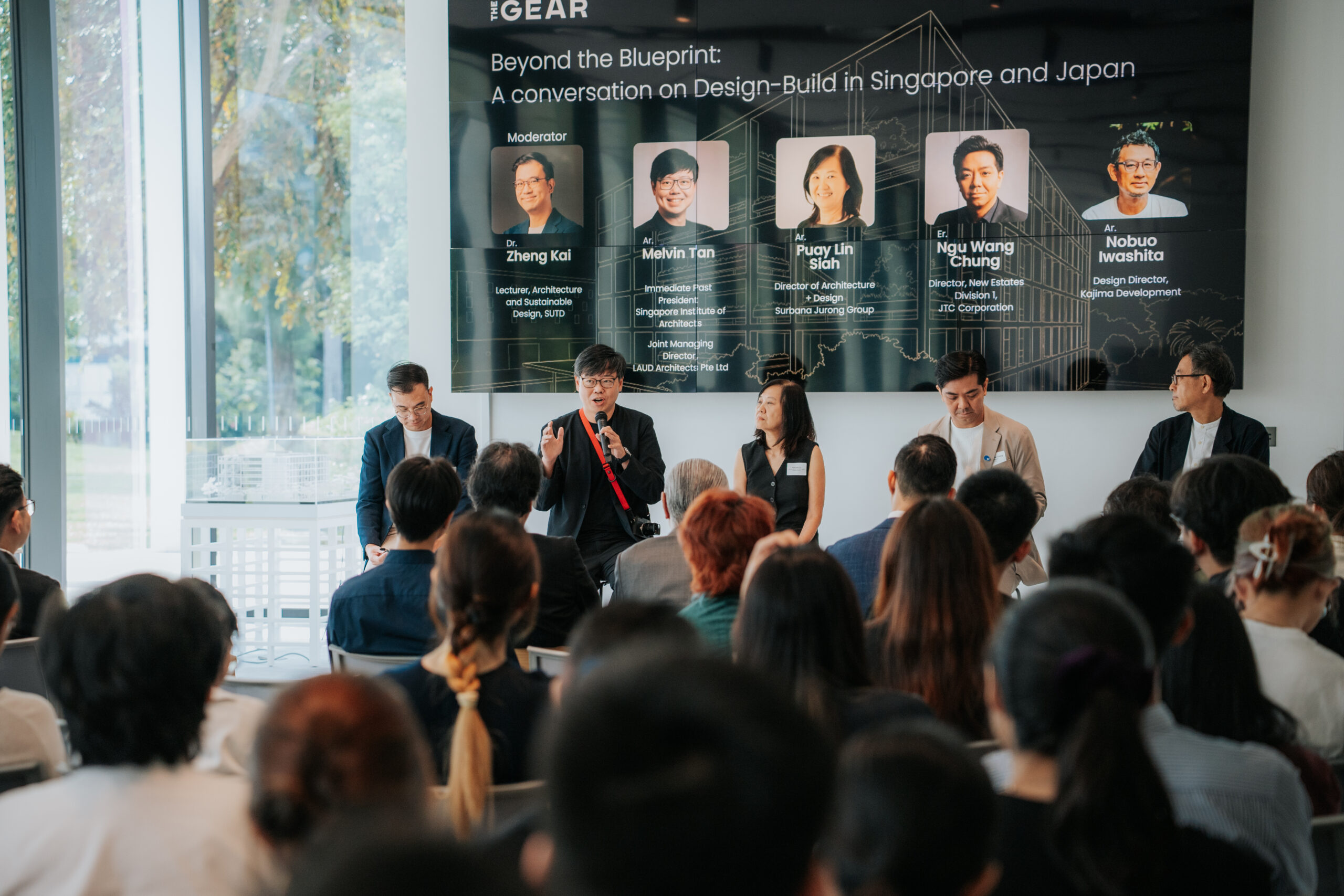
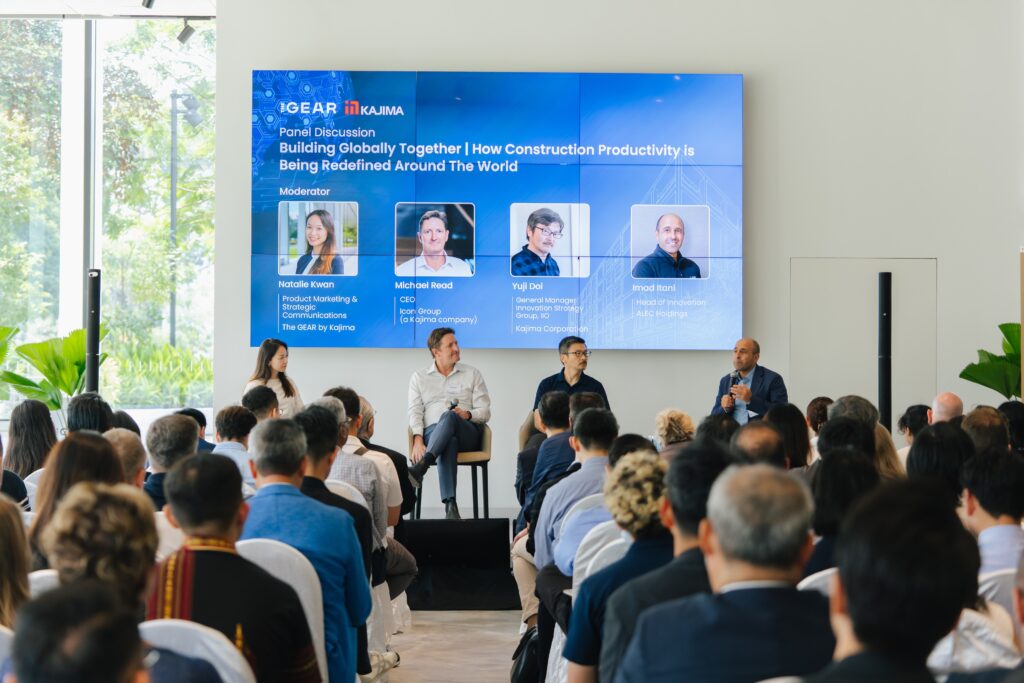
This was followed by the panel discussion, “Beyond the Blueprint: A Conversation on Design-Build in Singapore and Japan,” which brought together perspectives from architecture, urban development, government, and academia. The discussion explored how Design-Build is practised in the two markets, and how closer integration between design and construction can lead to better project outcomes. 

Three main themes emerged from the conversation: 

Earlier collaboration leads to better outcomes. Design-Build is most effective when designers, builders and clients collaborate from the outset. Bringing construction expertise into the design process earlier can improve buildability, identify constraints sooner and allow design intent to be carried through more effectively into delivery.  

There is no one-size-fits-all procurement model. There is no single procurement approach suitable for every development. Design-Build can offer particular value for complex or technically demanding projects, while conventional models may remain appropriate where requirements are more standardised. Selecting the right approach depends on the project’s objectives, complexity, and stakeholder needs.  

The next generation must understand both design and delivery. The panel emphasised the importance of giving emerging architects greater exposure to construction, engineering, and project delivery. This broader understanding can help future practitioners bridge the gap between architectural ambition and practical implementation. 

Together, these discussions invited participants to look beyond the boundaries of individual disciplines and consider how greater trust, integration and shared responsibility can shape the future of the built environment. 
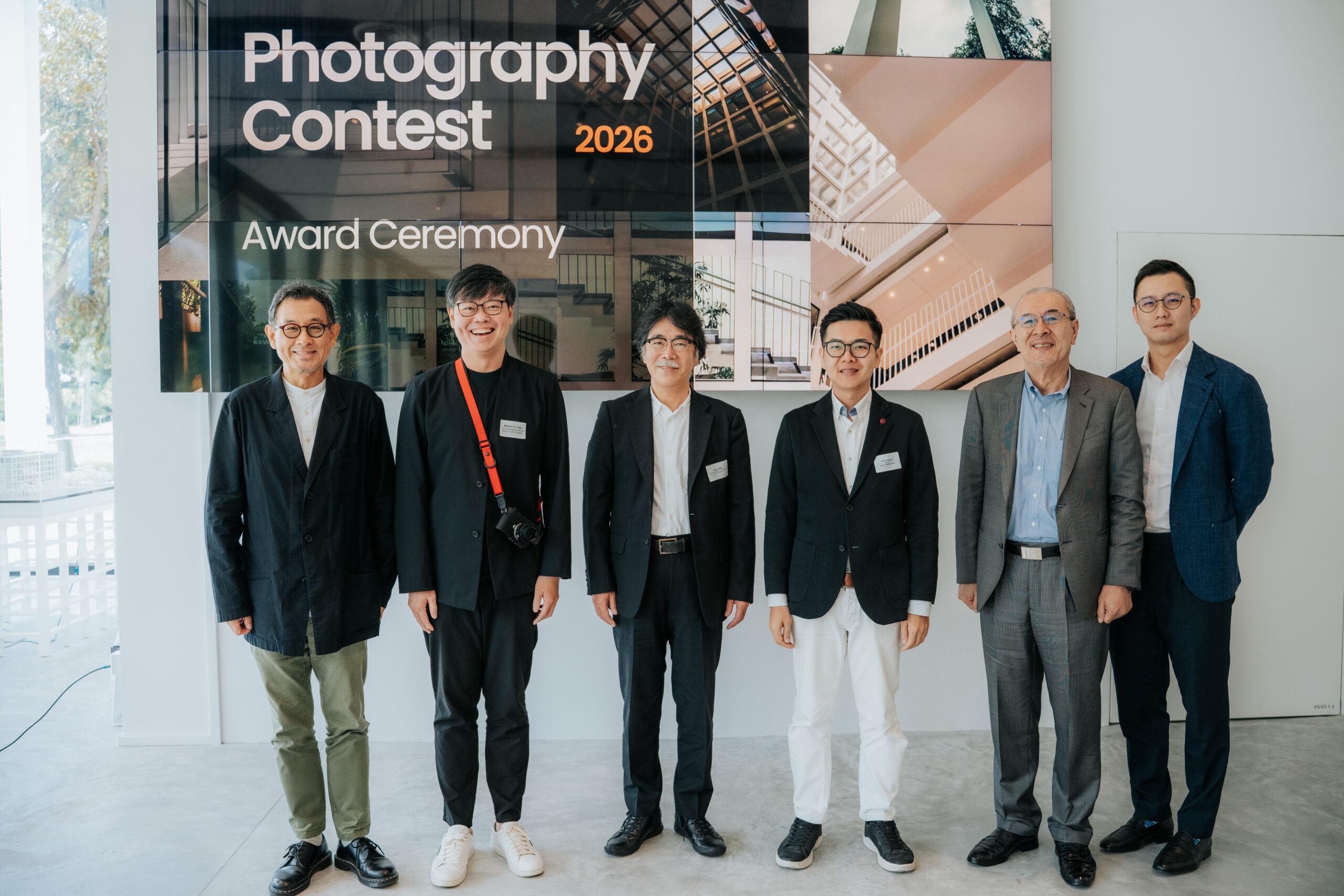
Left to right: Dr. Zheng Kai (SUTD), Ar. Melvin Tan (SIA & LAUD Architects), Ar. Puay Lin Siah (Surbana Jurong), Er. Ngu Wang Chung (JTC) and Ar. Nobuo Iwashita

Celebrating new perspectives

The event concluded with The GEAR Photography Contest presentations and awards ceremony.  

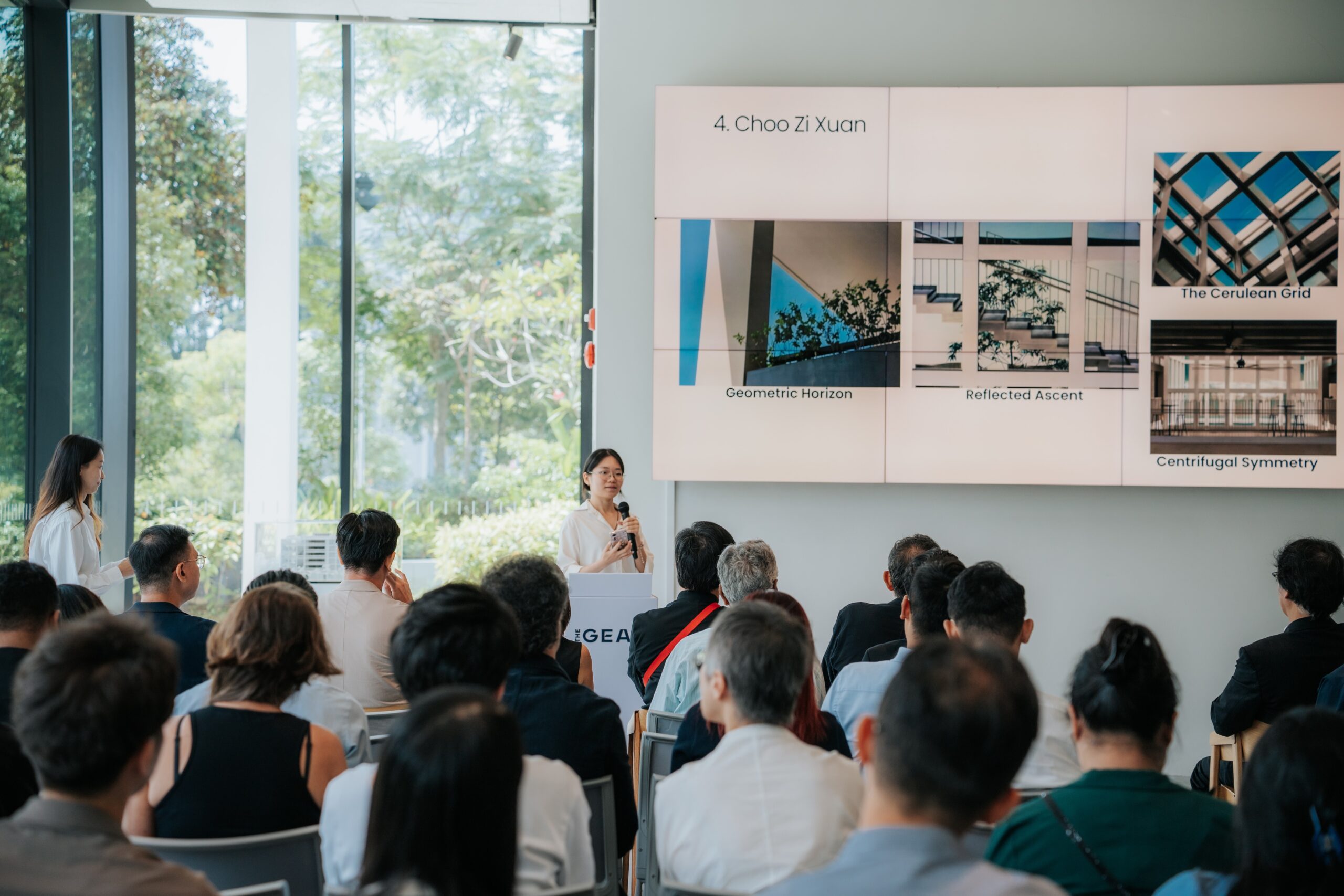
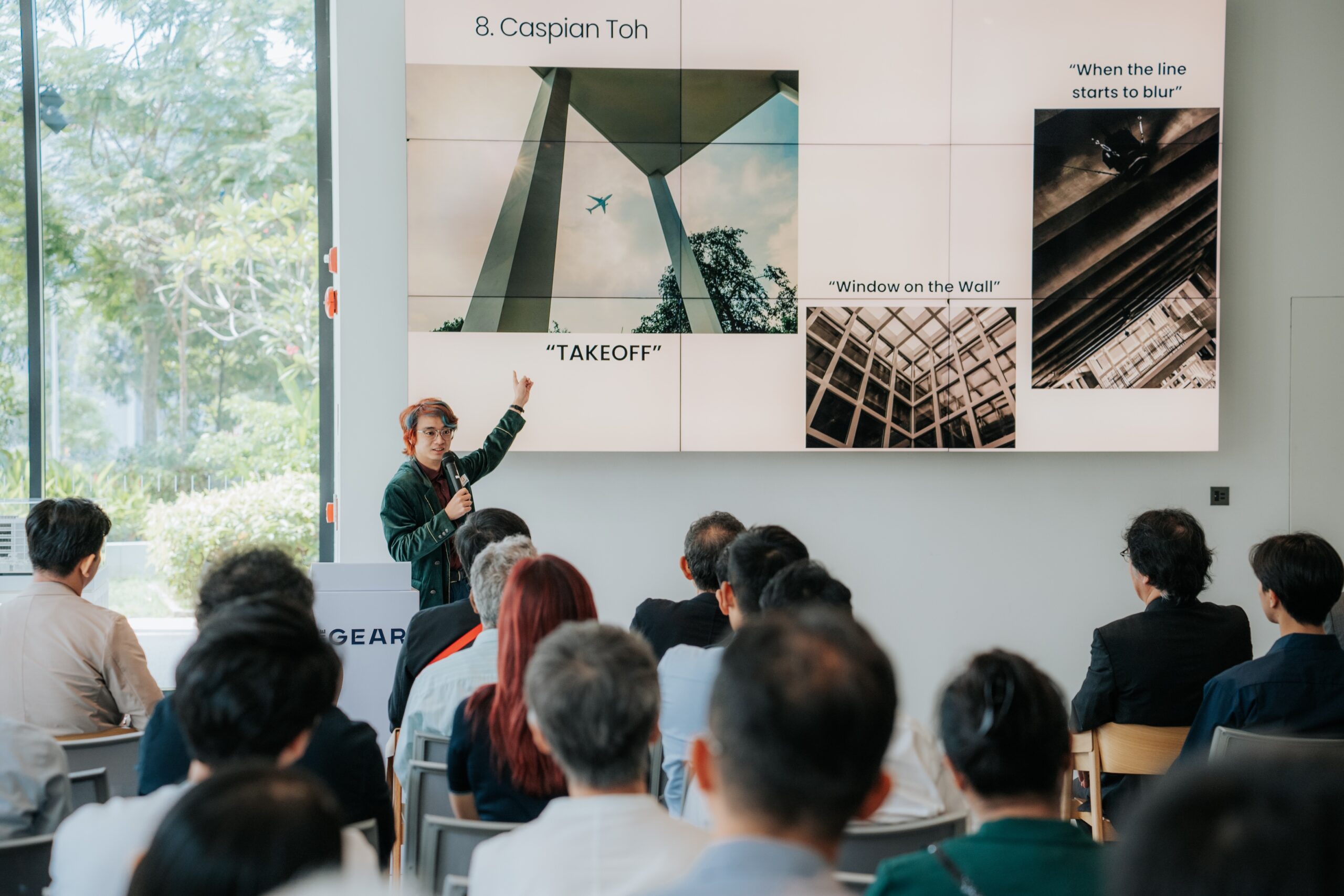
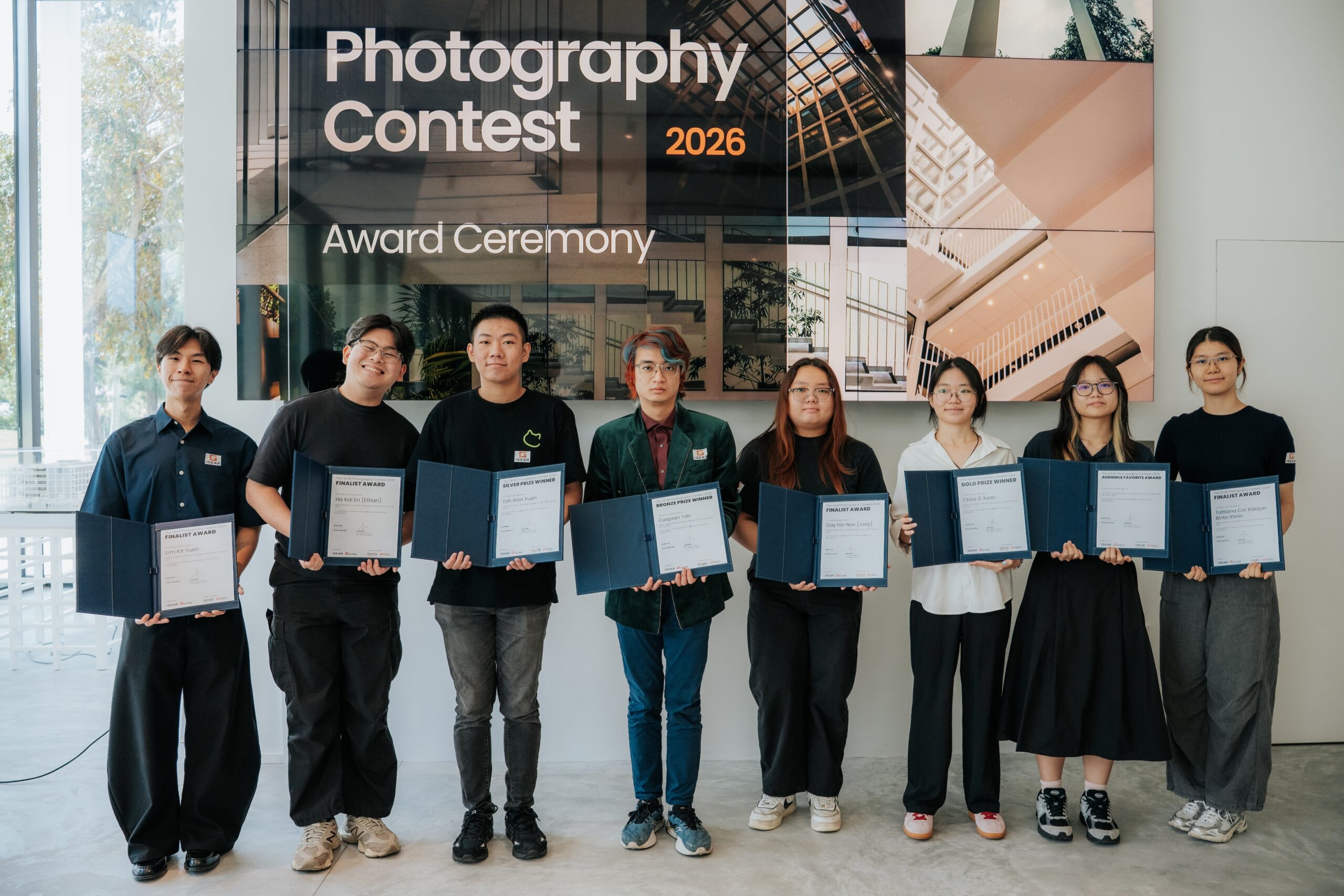
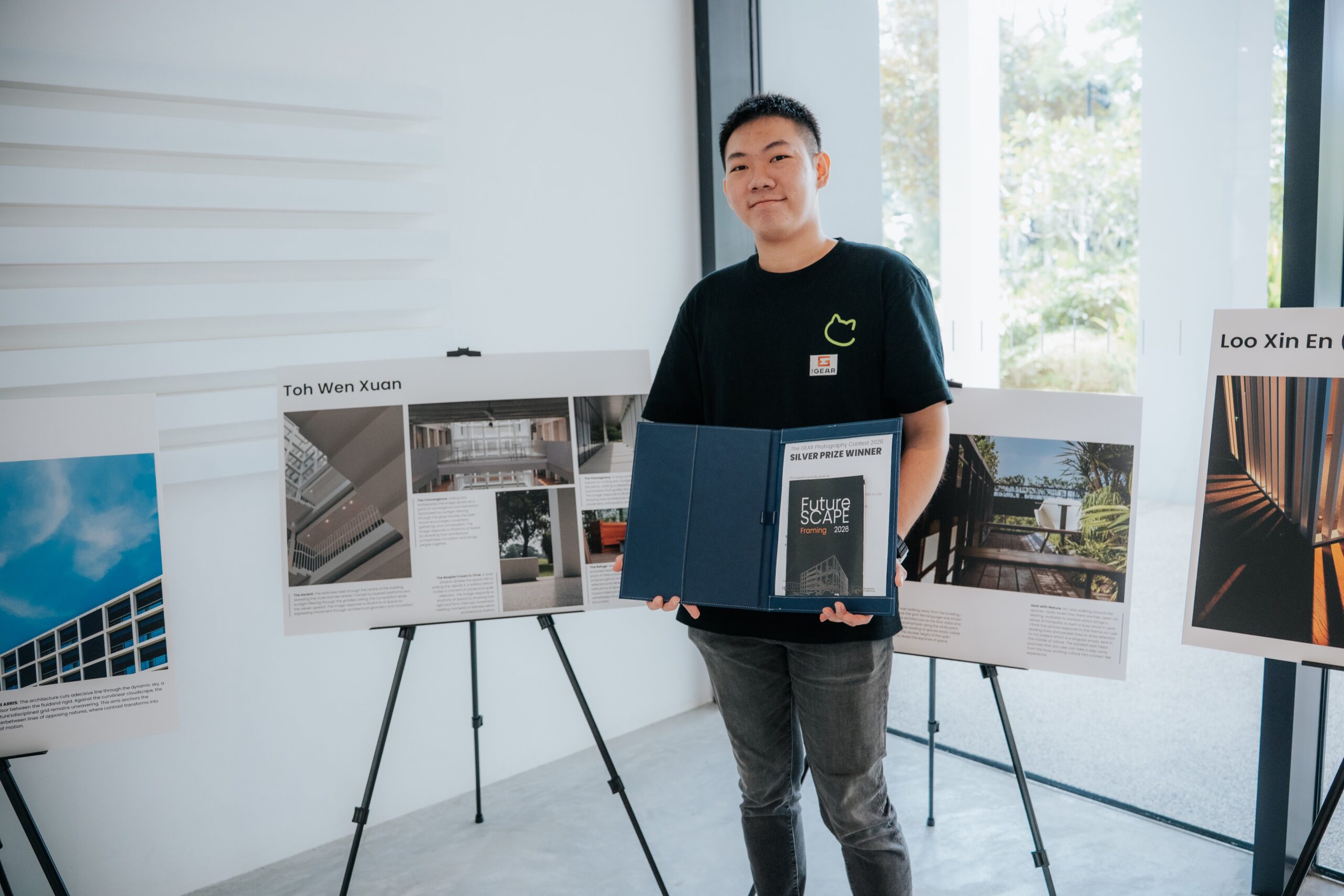
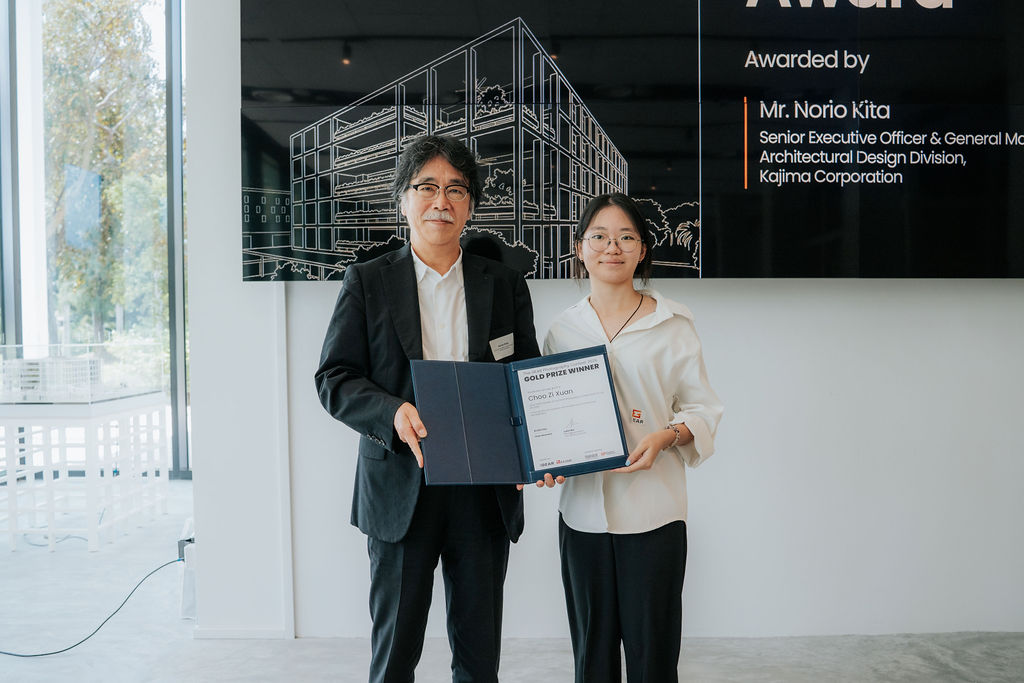
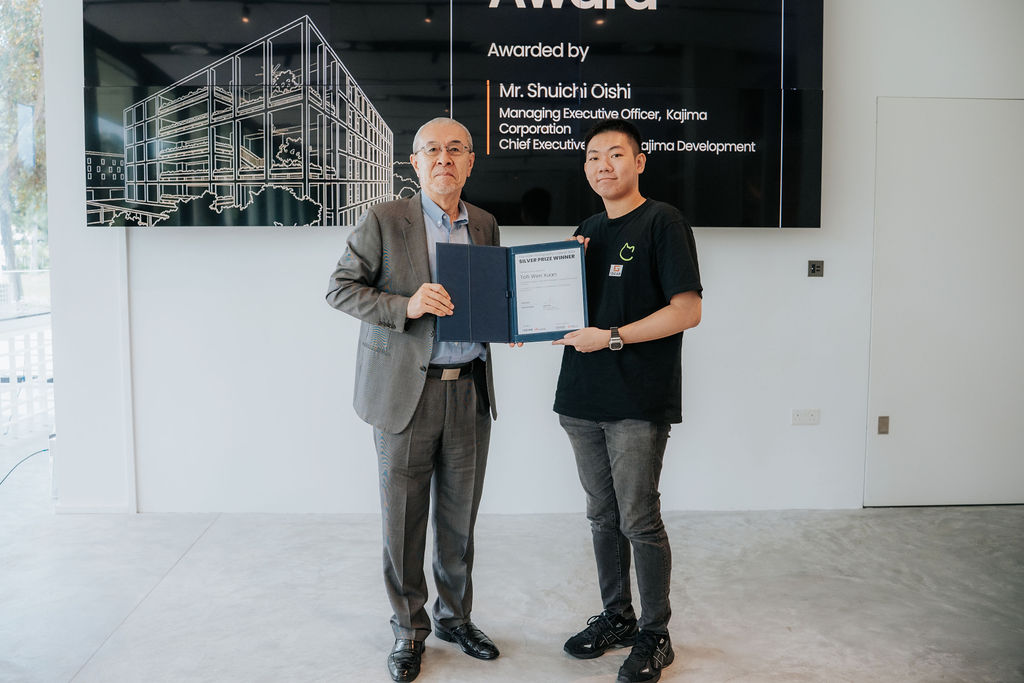
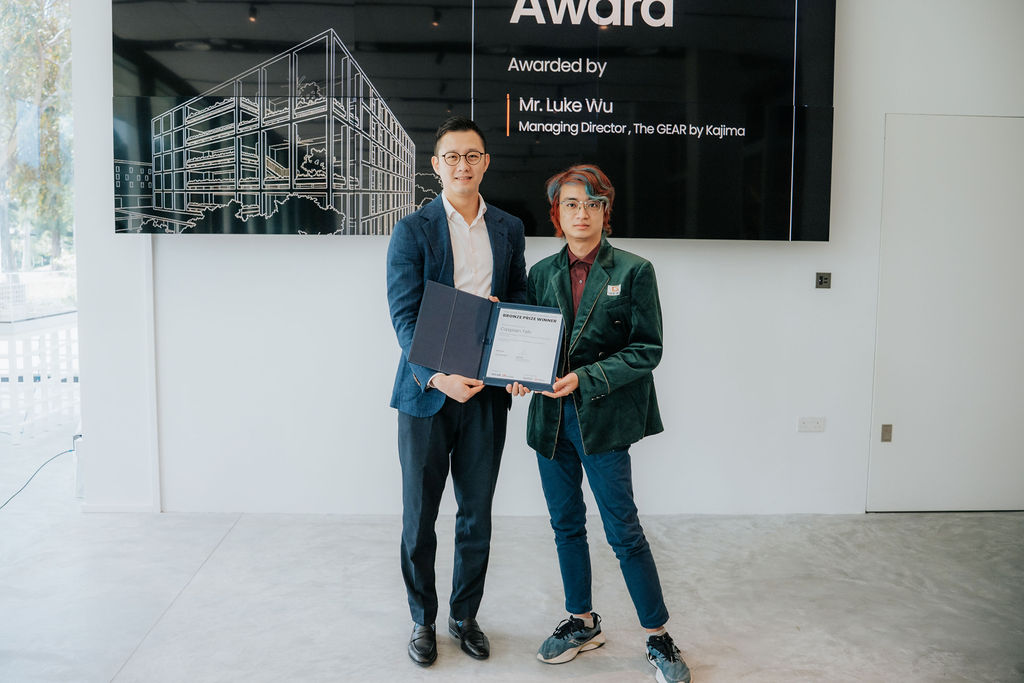
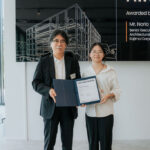
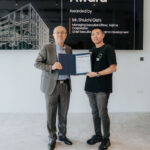
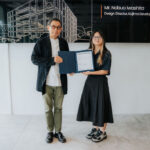
The Gold Award was presented to Choo Zi Xuan from Singapore Polytechnic for a composition capturing the geometric beauty and reflected ascent of K/SHAFT, transforming the building’s central staircase into a striking study of form and movement. The Silver Award was presented to Toh Wen Xuan, while the Bronze Award was presented to Caspian Toh, both from SUTD.  

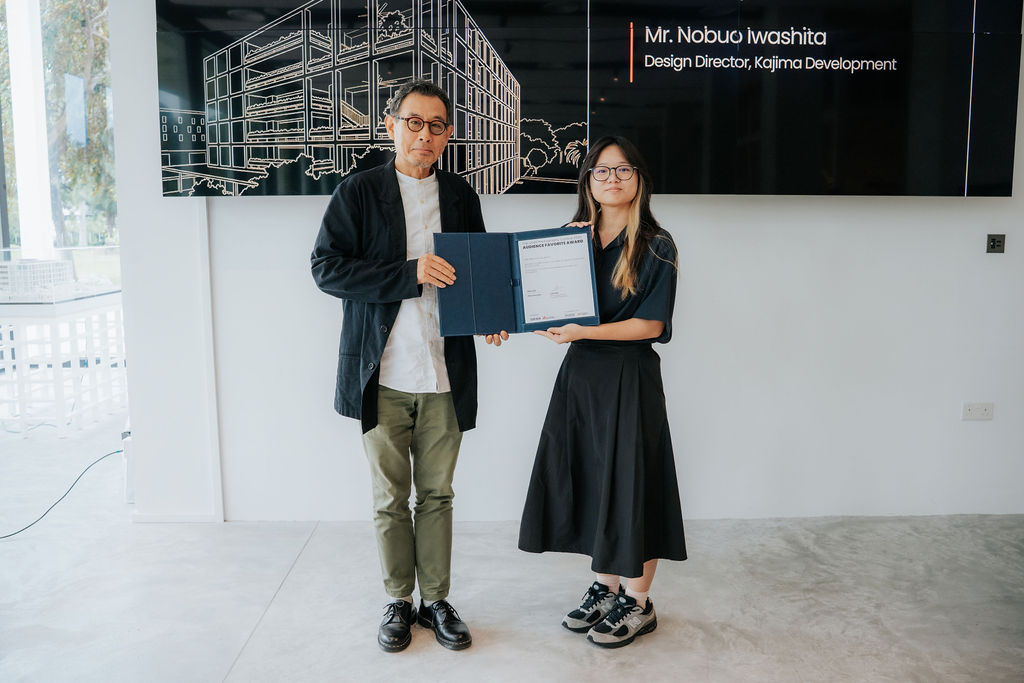
The Audience Favourite Award, determined through live voting during the event, was presented to Claire Loo from Singapore Polytechnic. 

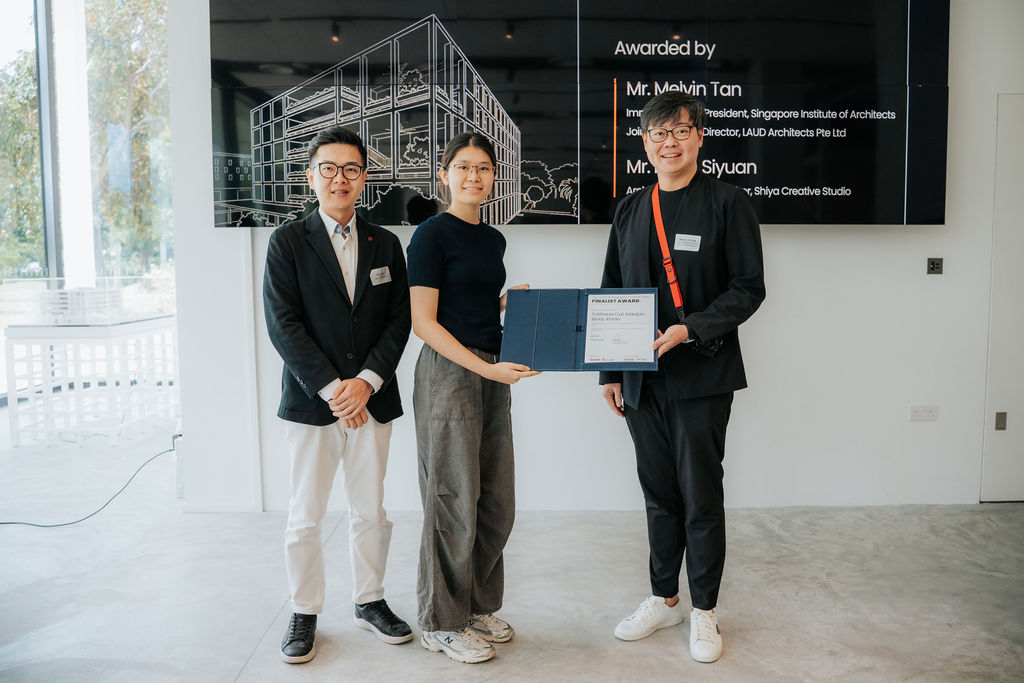
Given the quality and diversity of the submissions received, the organising committee expanded the finalist group from six to eight students. Together, the finalists offered eight distinct interpretations of The GEAR, reinforcing the idea that architecture continues to acquire new meaning through the people who experience and interpret it. 

HUD_1195
HUD_1300
HUD_1199
HUD_1477
HUD_1417
HUD_1636
HUD_0015
HUD_1407
HUD_1396
HUD_1377
HUD_1384
HUD_1374
HUD_1195
HUD_1300
HUD_1199
HUD_1477
HUD_1417
HUD_1636
HUD_0015
HUD_1407
HUD_1396
HUD_1377
HUD_1384
HUD_1374

Looking Ahead: A new platform for architectural exchange

FutureSCAPE [Framing] marks the beginning of a new platform at The GEAR for dialogue across architecture, design, engineering and the broader built environment. By bringing established practitioners into conversation with public sector leaders, educators, students and emerging innovators, FutureSCAPE seeks to create opportunities for different communities to exchange perspectives and develop a deeper understanding of how spaces are conceived and experienced. Future editions will continue to explore architecture through dialogue and collaboration between Singapore, Japan, and the wider region.
[About The GEAR by Kajima]

The GEAR by Kajima Pte Ltd (“The GEAR”) is Kajima’s innovation and technology translation  platform in Singapore. Established in 2024, The GEAR is a subsidiary of Kajima  Corporation,  one of Japan’s largest and oldest construction, engineering, and real estate companies. 

The GEAR helps bridge the gap between technology development and real-world use. Working  across Japan, Singapore, and Kajima’s global business units, it connects Kajima’s internal  capabilities with external partners, including startups, public agencies, research institutions, and  industry collaborators. 

Its work spans startup technologies and internal Kajima innovations, with projects taking place  across Kajima sites as well as externally commissioned public and private initiatives. Through this  approach, technologies are validated under live operating conditions, which support informed  decisions on deeper use, adoption, and commercialisation. 

End of the press release.


For media enquiries, please contact Lili Luo at lili.luo@kajima.com.sg.

Share:

Related News

ö.Space Installs First ö.Wall System at The GEAR

Interior fit-outs are one of the most wasteful layers of a building. ö.Space is designing a way out.
Every time a ...

Read More

The GEAR & Adaptavate: Closing the Evidence Gap in Sustainable Materials

The construction sector has no shortage of ambition on sustainability. Targets are set and roadmaps are in place. What is ...

Read More

What We’re Hearing From the Built Environment Innovation Pipeline: Notes From Our Q1 2026 Partner Forum

Every quarter, The GEAR convenes its Startup CoLab programme partners for a closed-door partner forum, which is part programme review, ...

Read More

Business Collaboration

Connect to explore collaboration opportunities.

The GEAR Newsletter

Sign up to receive The GEAR news and updates.